
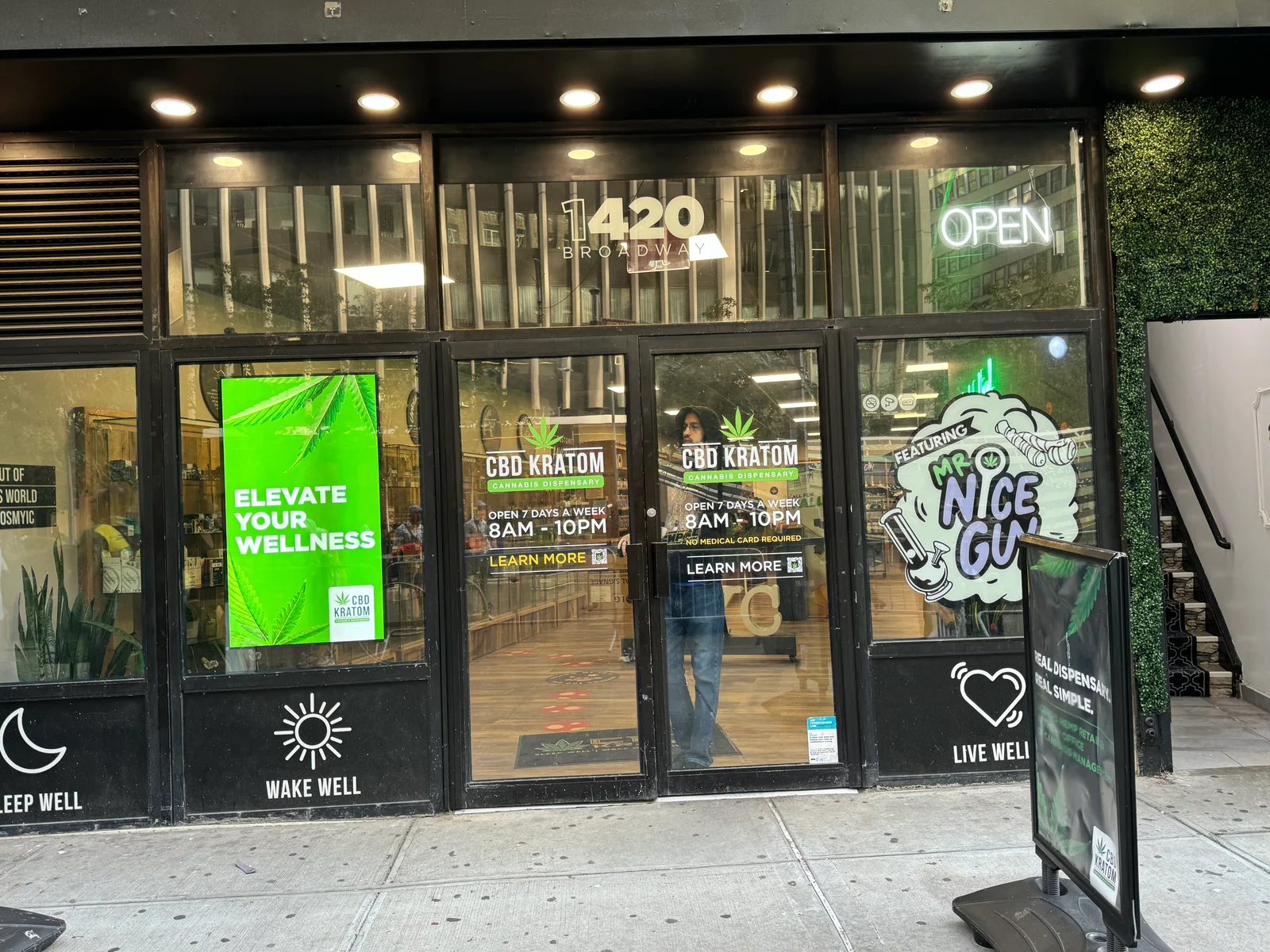
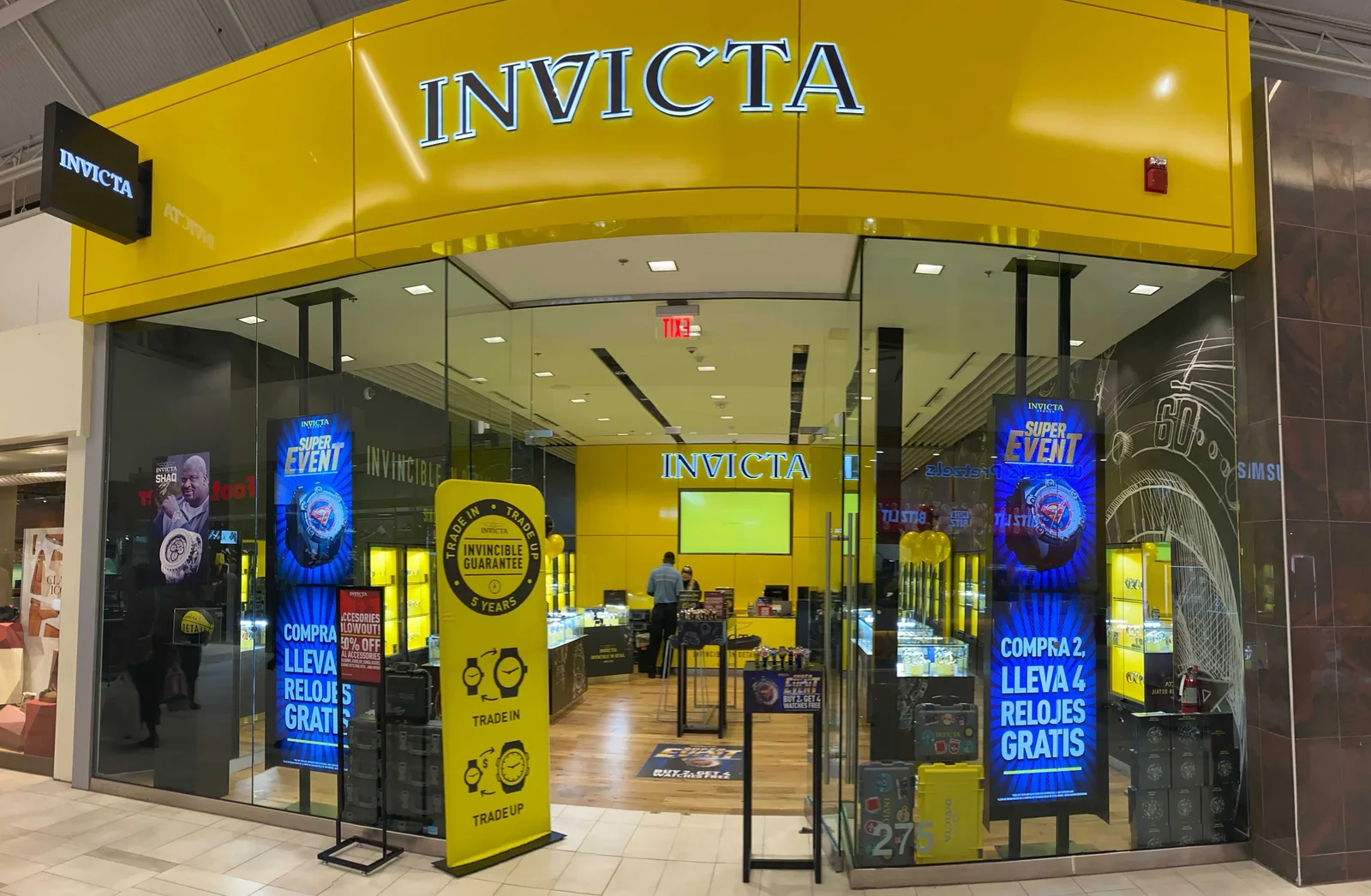
Storefront window installs
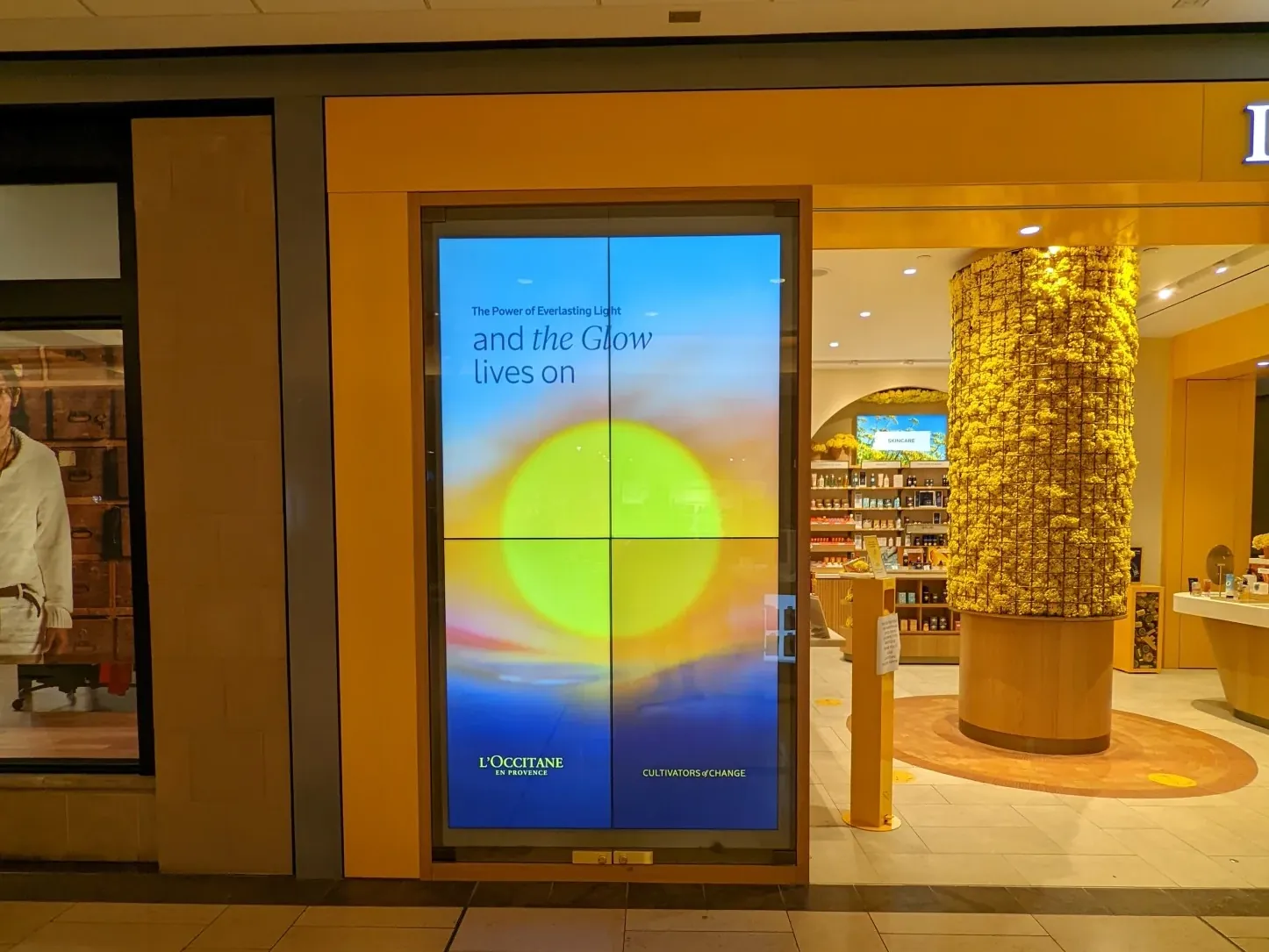
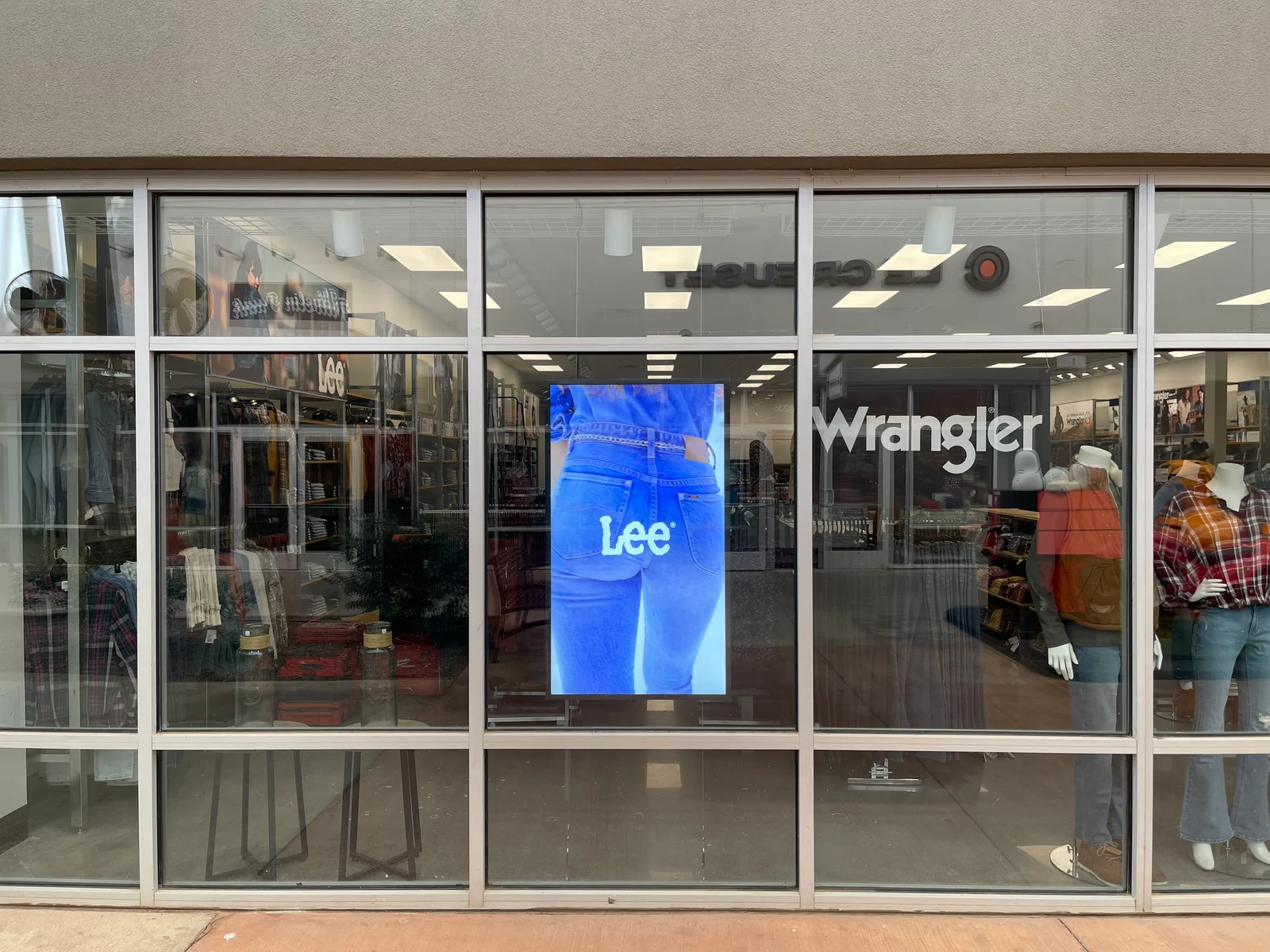
Sun-readable high-brightness window-series panels mounted in the window — engineered for visibility through direct daylight.
From window to sales floor
Window-facing displays and in-store screens, chosen for the light, sightlines, and layout of your space. Bring hardware, installation, and content management together with CrownTV.
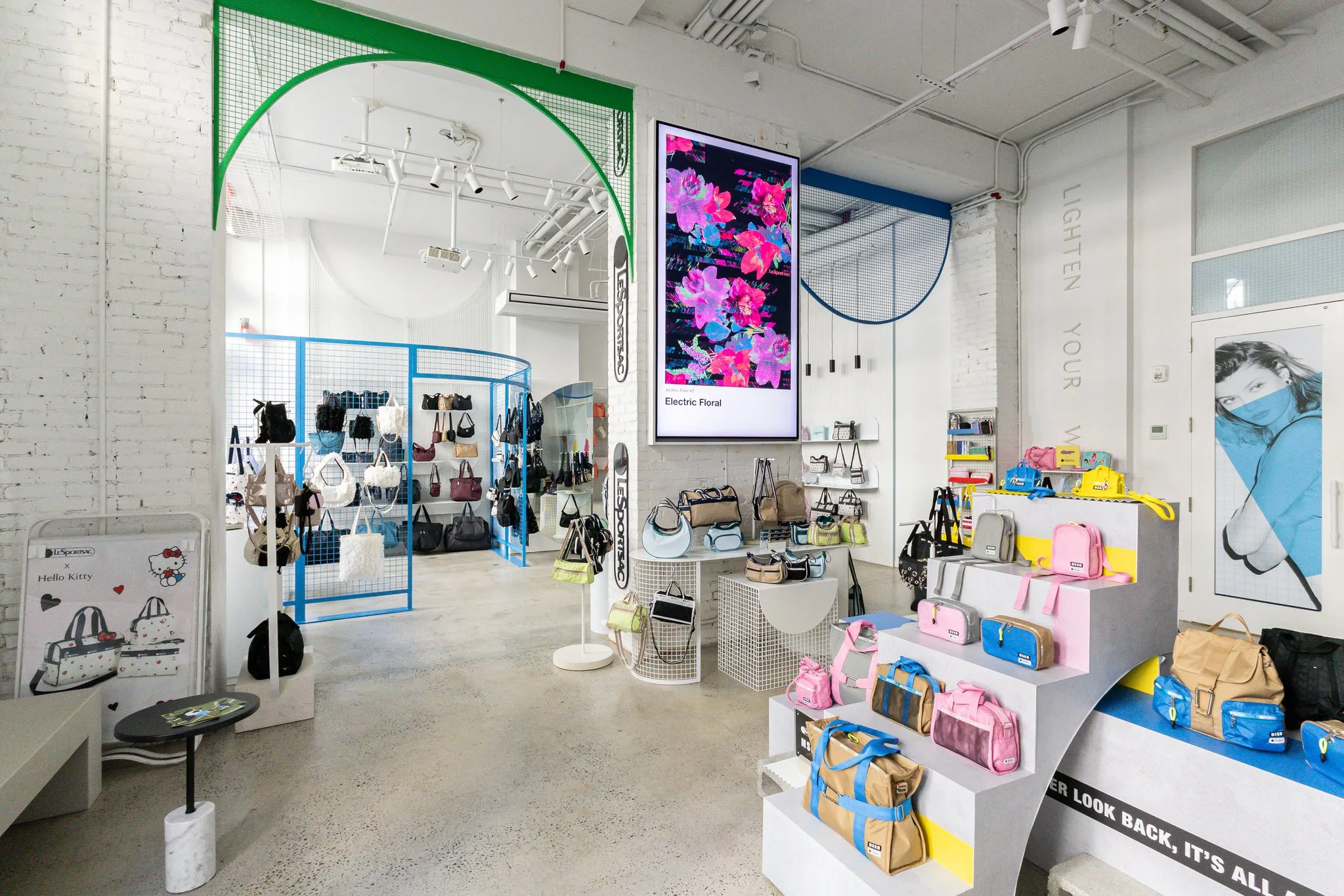
01 / Window
Match brightness to the storefront’s real sun exposure.
02 / Interior
Choose scale, orientation, and mounting around the fixtures.
03 / Content
Plan coordinated creative for the window and sales floor.
What is retail digital signage?
Retail digital signage is a network of commercial-grade displays installed in stores — windows, end-caps, video walls, BOPIS counters, and wayfinding — connected to a central CMS so creative can be swapped across one boutique or a 150-store chain in seconds. CrownTV ships the displays (indoor 4K, high-brightness window, weather-ready outdoor, and narrow-bezel video wall), installs them nationwide, and runs the Dashboard. L'Occitane has run CrownTV across 150+ stores since 2019; typical multi-store rollouts pay back inside year one for chains of 25+ doors.
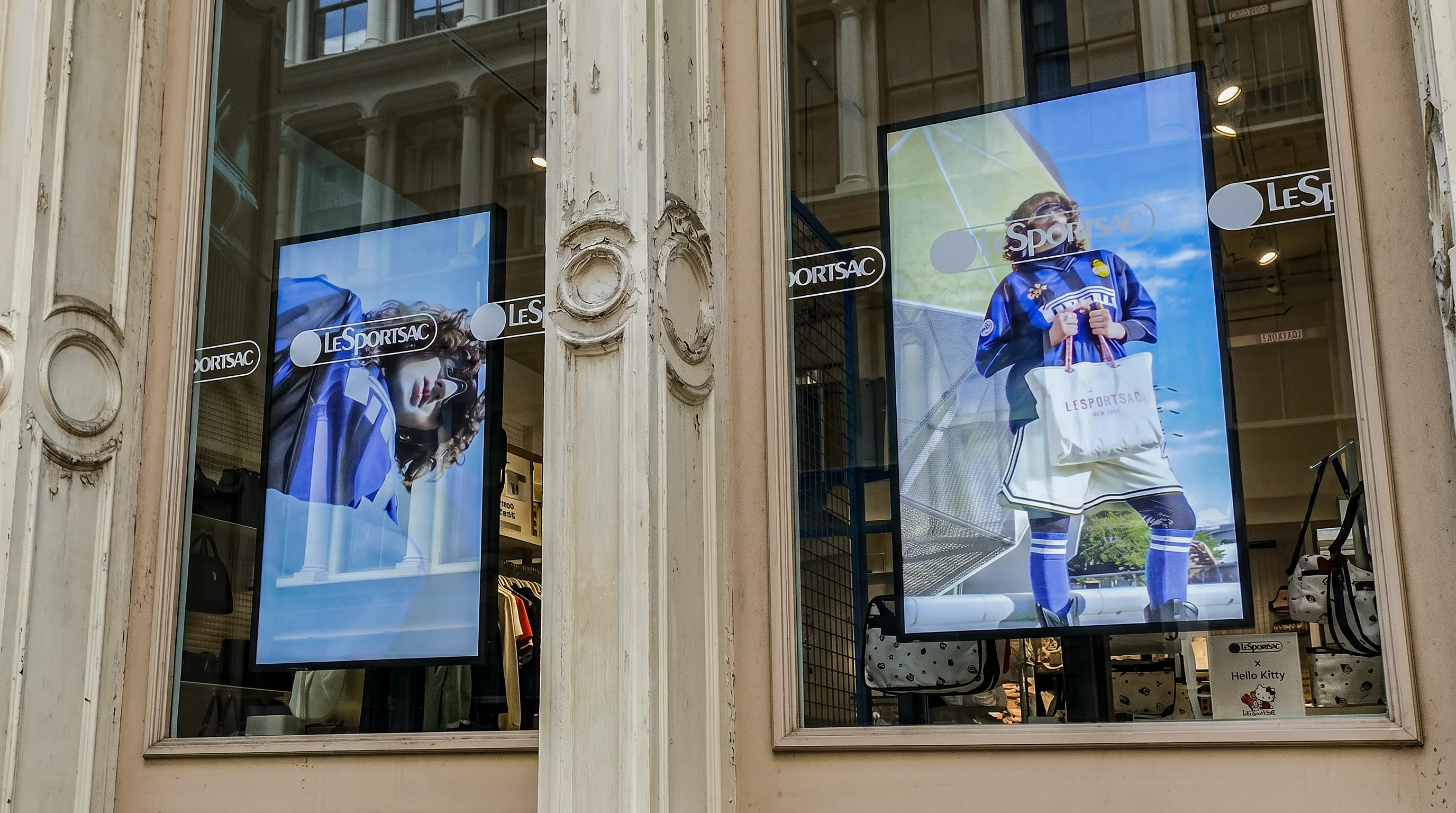
Retail in the wild
Sun-readable high-brightness window-series window panels — installed, scheduled, and refreshed network-wide from one Dashboard.
Trusted across retail programs since 2012






Most retail signage rollouts ship with three vendors and one store that doesn't work on opening day. Display reseller, installer, software, and content team — all separate engagements, all blaming each other when something slips. CrownTV runs every lane under one contract so the storefront is live when the doors open. Planning a chain-wide program? Start with our retail rollout playbook and per-store pricing.
One contract covers hardware, software, install, content design, and 24/7 monitoring across digital signage retail stores nationwide. Pick the line items you need or take the full turnkey bundle.
Sun-readable high-brightness window-series panels mounted in the window — engineered for visibility through direct daylight.
indoor 4K commercial displays 4K panels at end-caps, brand walls, and back-of-store fixtures — campaign swaps scoped per region.
Narrow-bezel video walls — flagship-grade canvases for hero brand storytelling.
Order-number and pickup-instruction boards at the pickup counter — Dashboard-managed unless a custom feed is scoped.
Section markers, fitting-room queueing, and category directories for stores with 10,000+ sq ft footprints.
Single project plan across 50, 150, or 500+ locations — sequenced by GC schedule, batched by installer region.
Visual merchandising creative built to your brand kit — windows, end-caps, queue boards, video-wall hero loops.
Dedicated account manager, 2-hour urgent response, 48-hour media-player replacement, on-site dispatch via local installers.
Most retail signage RFPs end up as three vendors and a missing accountability owner. We run all four lanes — hardware, install, software, content — under one contract.
| CrownTV (turnkey) | Typical SI / multi-vendor | |
|---|---|---|
| Per-location install timeline | Under 1 week from site survey | 4–8 weeks across 3+ vendors |
| Number of contracts | One — hardware, install, software, and content | Three to five — display reseller, installer, CMS, content shop |
| Single accountability owner | Dedicated PM — one phone number for the entire program | Project manager you hire (or do yourself) |
| Hardware + install bundling | commercial panels shipped, installed, and certified together | Display reseller ships; installer schedules; you mediate |
| Multi-location coordination | Single project plan across 50 states — proven on 150+ L'Occitane stores | Per-location procurement, often outsourced again per region |
| SLA on hardware | 48-hour media-player replacement at no charge during contract | Manufacturer RMA — 5–15 business days, often paid |
| US-based 24/7 support | Dedicated account manager + 2-hour urgent response | Tier-1 ticket queue, often offshore |
| Content design included | Brand-true creative for windows, end-caps, video walls | Hire a separate creative agency or do it in-house |
| Pricing transparency | Itemized quote — hardware, install, SaaS, content lines | Bundled SOWs with line items obscured |
| Commercial-display install crews | Commercial-display trained, in all 50 states | Installer pool varies — certifications optional |
| Price-match guarantee | We'll match any signed competitive quote on comparable scope | List price, take it or leave it |
Under 1 week from site survey
4–8 weeks across 3+ vendors
One — hardware, install, software, and content
Three to five — display reseller, installer, CMS, content shop
Dedicated PM — one phone number for the entire program
Project manager you hire (or do yourself)
commercial panels shipped, installed, and certified together
Display reseller ships; installer schedules; you mediate
Single project plan across 50 states — proven on 150+ L'Occitane stores
Per-location procurement, often outsourced again per region
48-hour media-player replacement at no charge during contract
Manufacturer RMA — 5–15 business days, often paid
Dedicated account manager + 2-hour urgent response
Tier-1 ticket queue, often offshore
Brand-true creative for windows, end-caps, video walls
Hire a separate creative agency or do it in-house
Itemized quote — hardware, install, SaaS, content lines
Bundled SOWs with line items obscured
Commercial-display trained, in all 50 states
Installer pool varies — certifications optional
We'll match any signed competitive quote on comparable scope
List price, take it or leave it
Featured customer
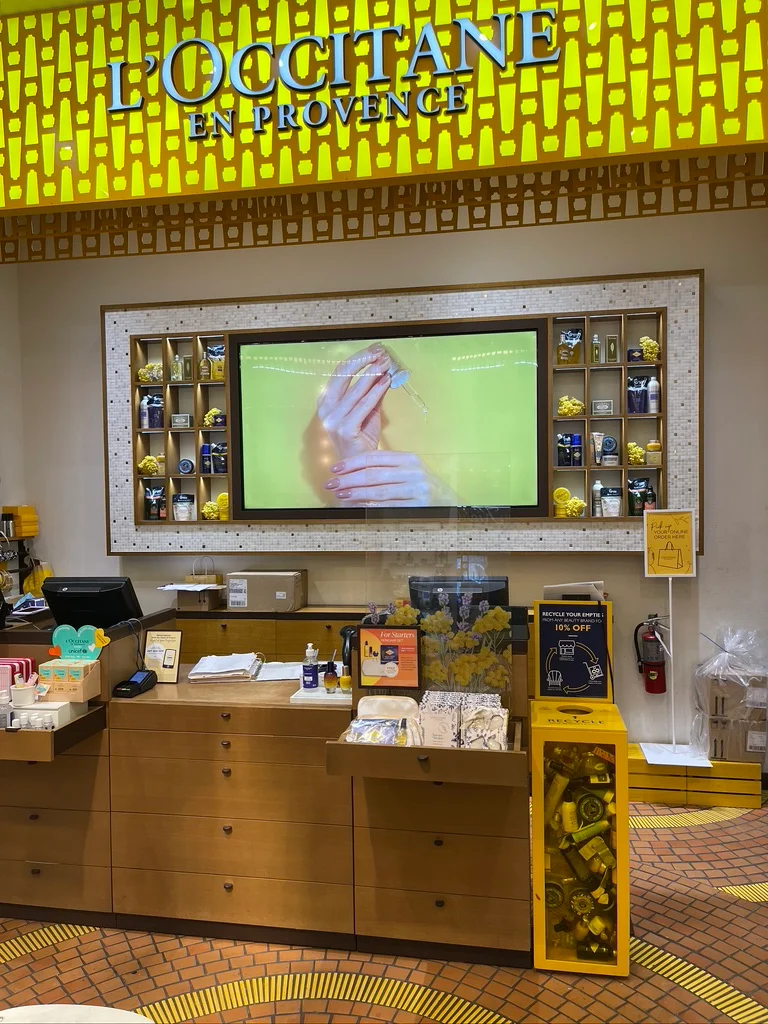
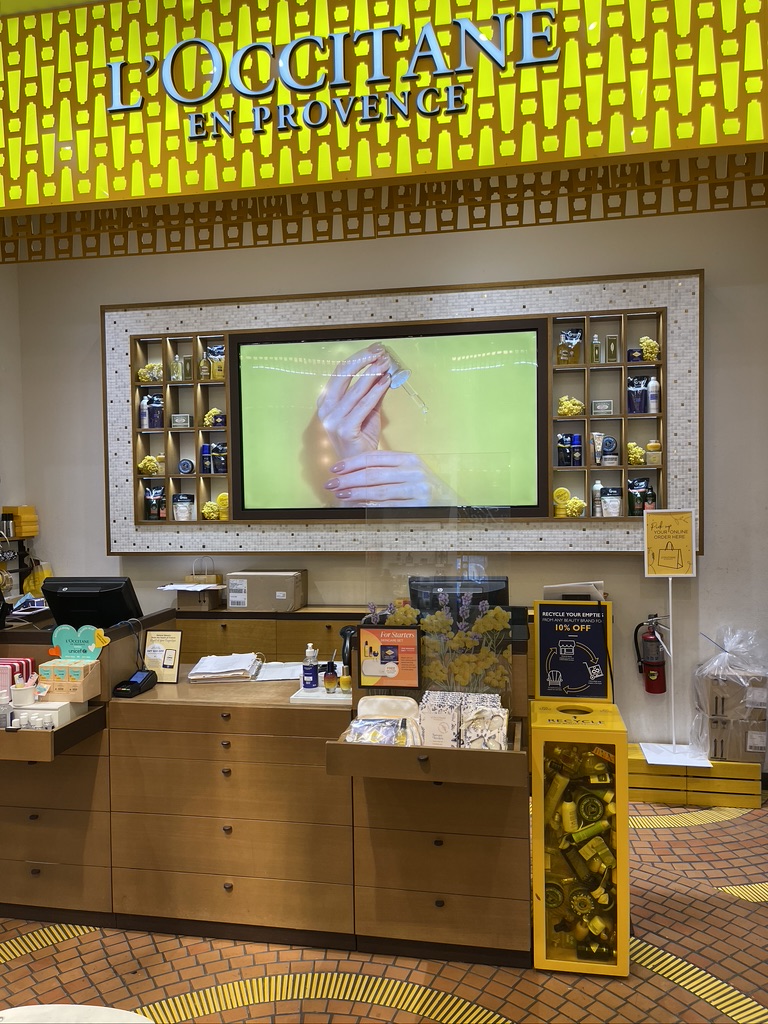
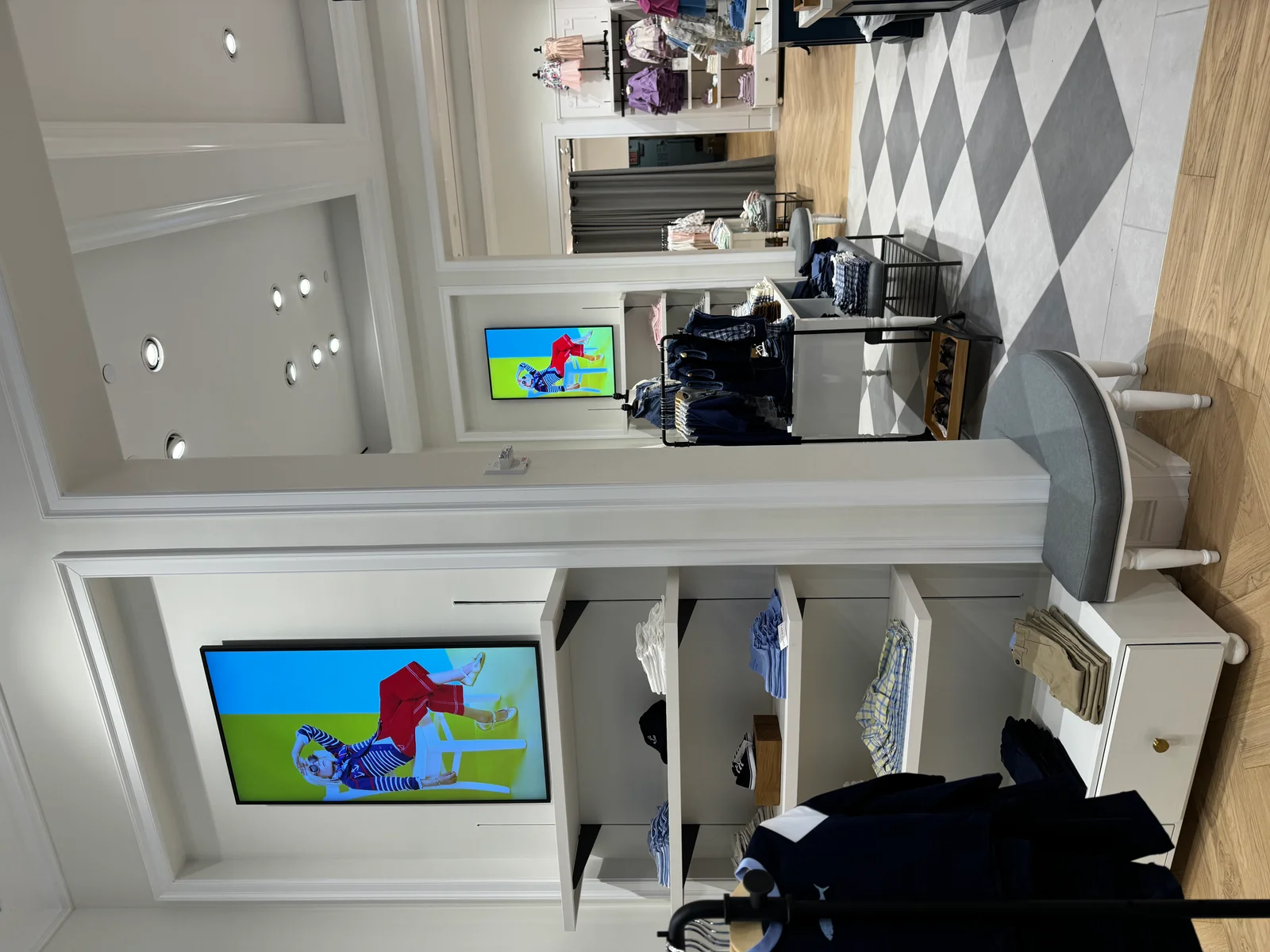
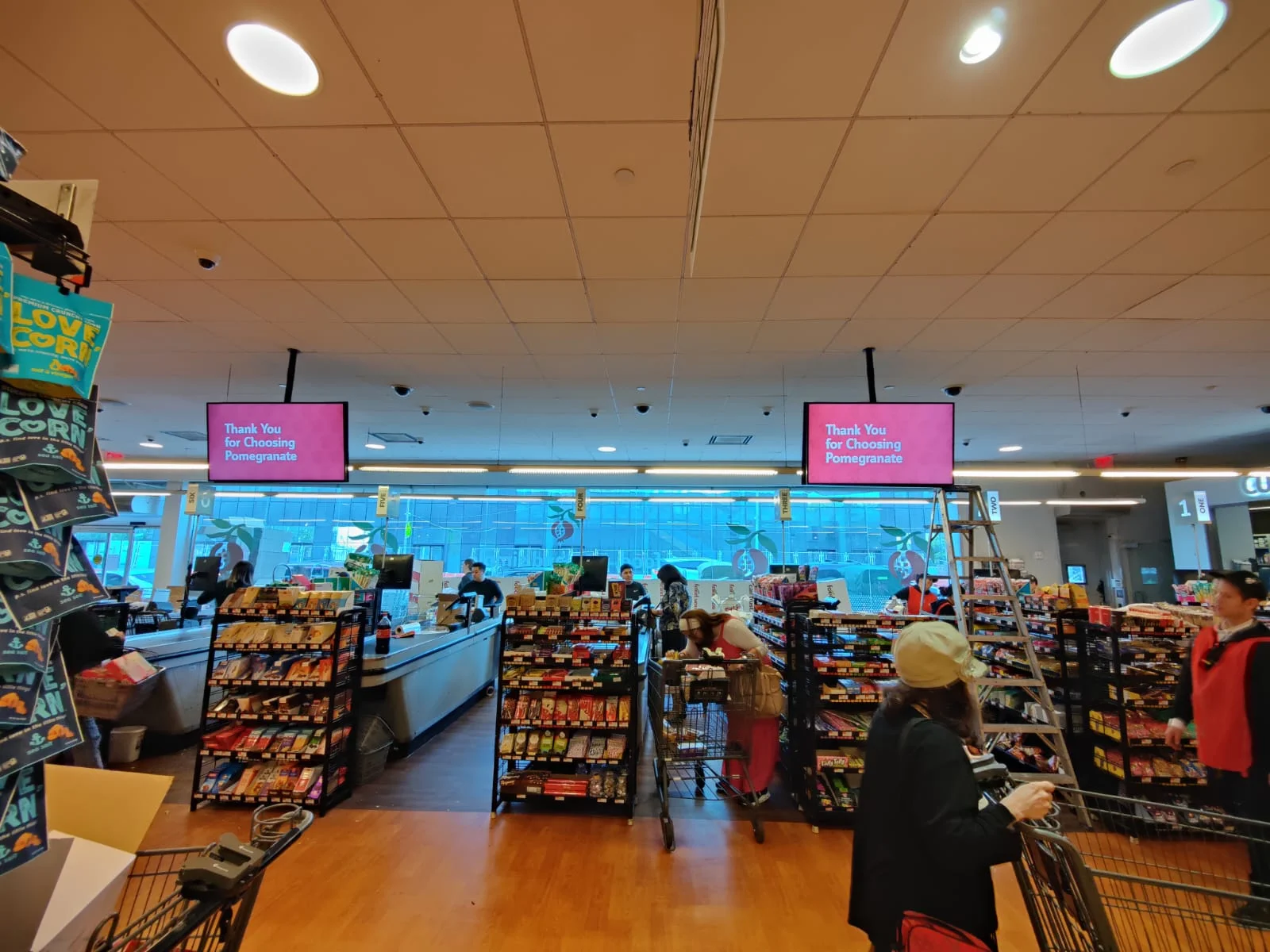
Digital signage across 150+ retail locations nationwide — wall displays, video walls, ceiling-mounted screens, and pillar mounts. CrownTV client since 2019.
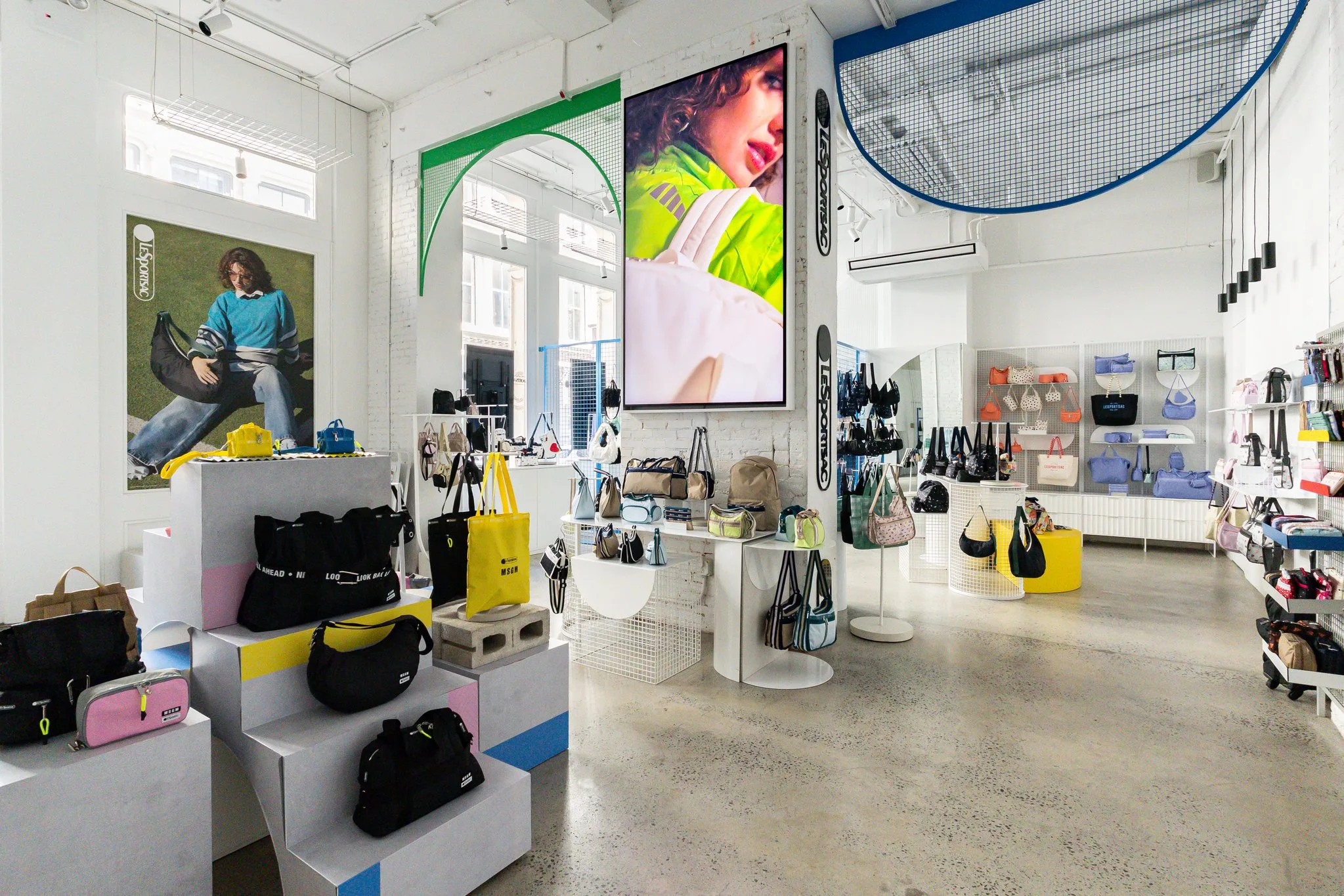
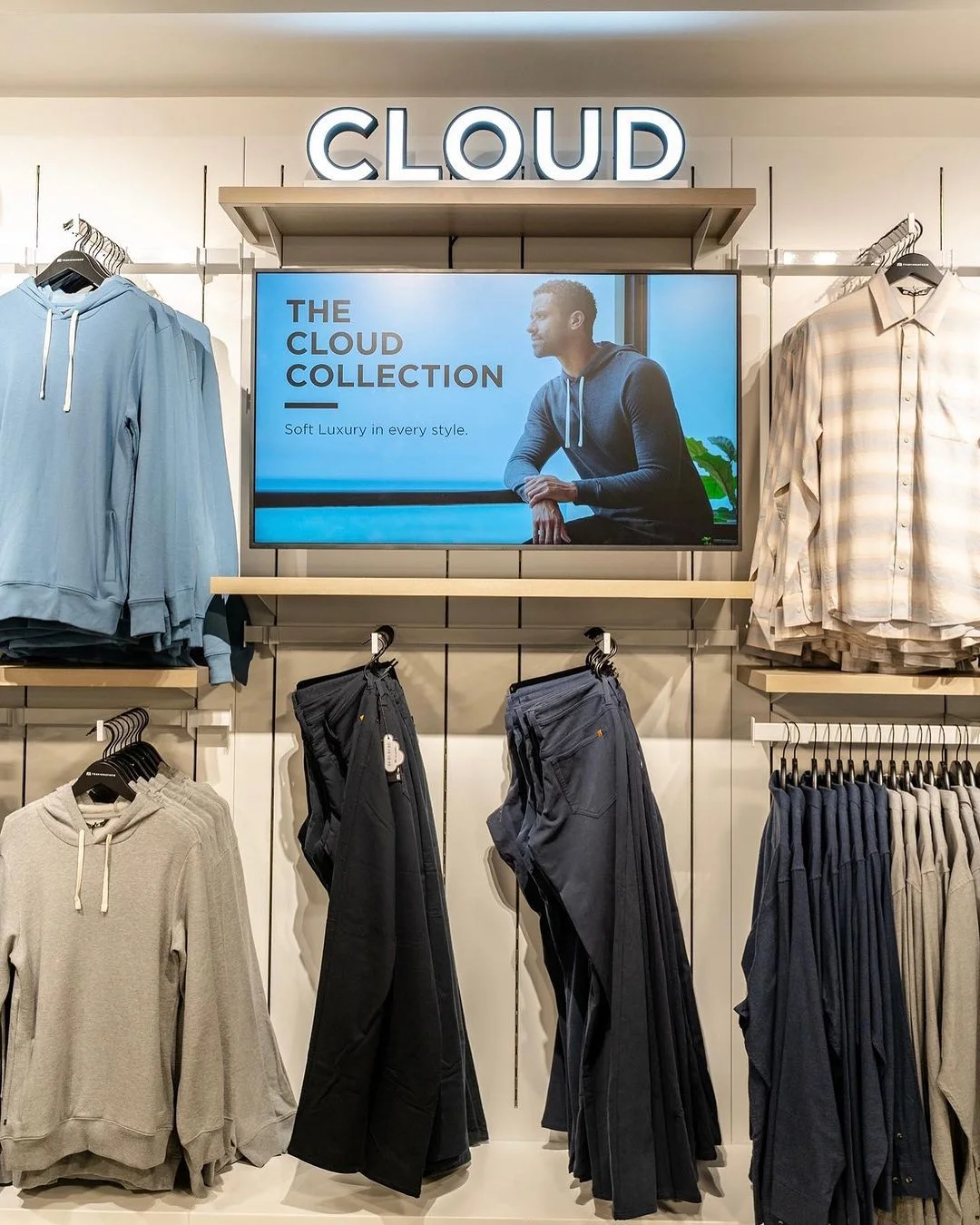
4K commercial panels for in-store walls, end-caps, and back-of-store signage — 24/7 duty for full retail hours.
High-brightness 3,000-nit panels for storefront windows — cuts through direct sun and sidewalk reflection.
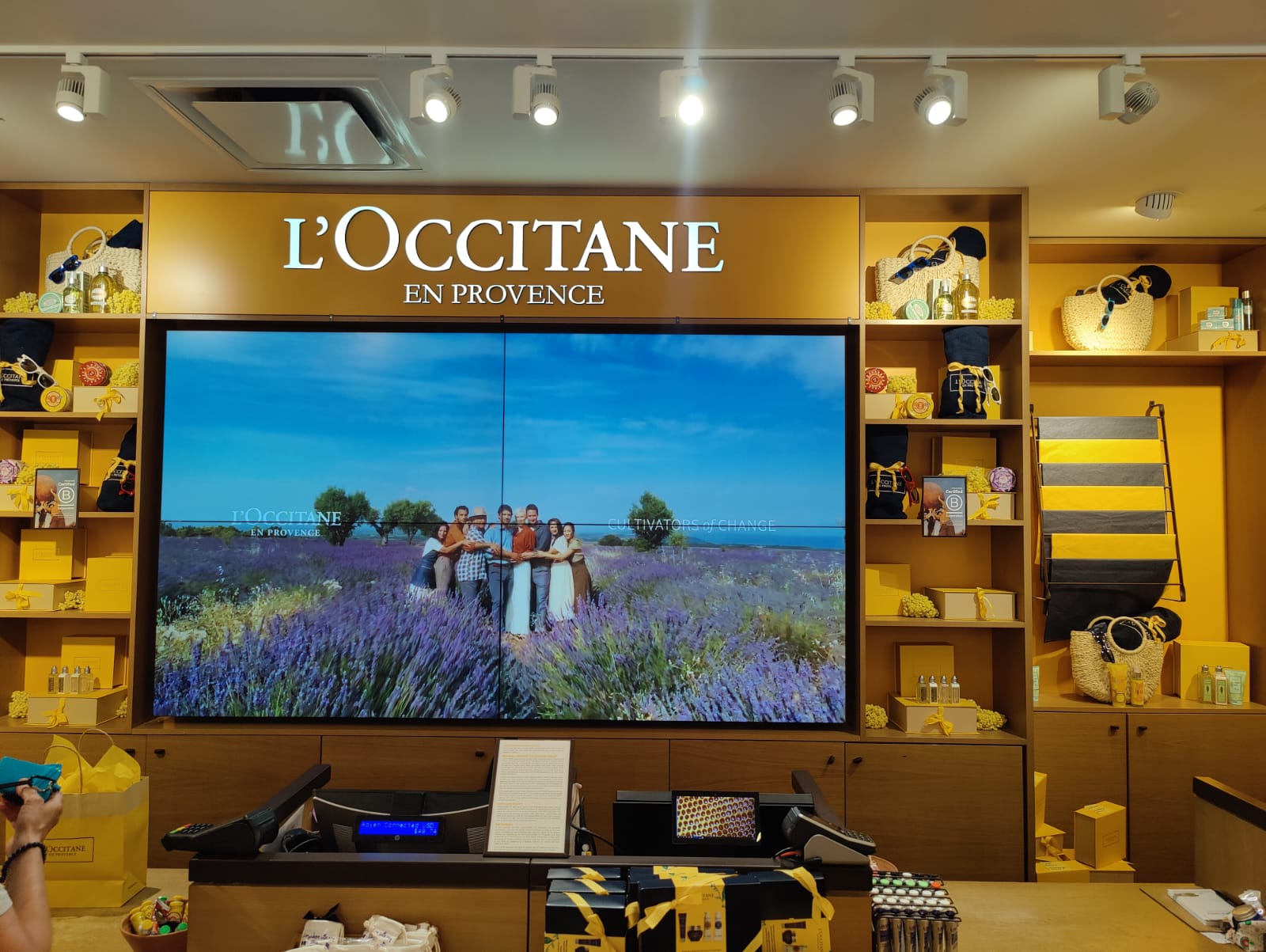
1.7mm bezel-to-bezel canvases for flagship video walls — hero brand storytelling at scale.
Screen sizes32"–98" — end-caps at 32"–43", in-store walls at 55"–75", flagship video walls at 75"–98".
high-brightness window displays 3,000-nit panels in the window — promo swaps run network-wide from one Dashboard. See the window-display lineup.
indoor 4K commercial displays at counter and endcap fixtures — campaign swaps scoped per region and per store.
narrow-bezel video walls anchor flagship storytelling — 2×2, 3×3, or hybrid build patterns.
indoor 4K commercial displays in-store walls run regional campaigns with district-manager edit scopes.
Anatomy of a retail install
From sidewalk to cashwrap, every screen in the store runs on the same CrownTV Dashboard. Here's where each one goes, what model fits, and why.
Numbered placements
55-inch 3,500-nit high-brightness display 55″ · 3,000 nits · landscape — campaign hero, sun-readable, sidewalk-stopping.
65-inch 4K indoor display 65″ · 4K · landscape — first impression, brand video, season-led.
43″ 4K commercial display · 4K · portrait — hero product + price, district-scoped editing.
43″ 4K commercial display · landscape — order numbers and queue status.
32″ 4K commercial display · portrait — loyalty enrollment, member tiers, signup QR.
Integrations
Campaign calendars, approved merchandising data, and regional content updates can be managed from the Dashboard or scoped as custom feeds.
Launch windows, promo schedules, and regional campaign timing.
Brand images, videos, product visuals, and template-ready artwork.
Read-only promo tables and store-specific messaging where approved.
Hosted dashboards or merchandising views displayed inside screen zones.
Scoped separately when your team already exposes an approved content source.
Campaign-aligned promo schedule.
Webhook-driven content swaps.
Don't see yours? Bring the content source you want to display and we'll scope whether it belongs in the Dashboard, an embedded feed, or a custom workflow.
Turnkey advantages
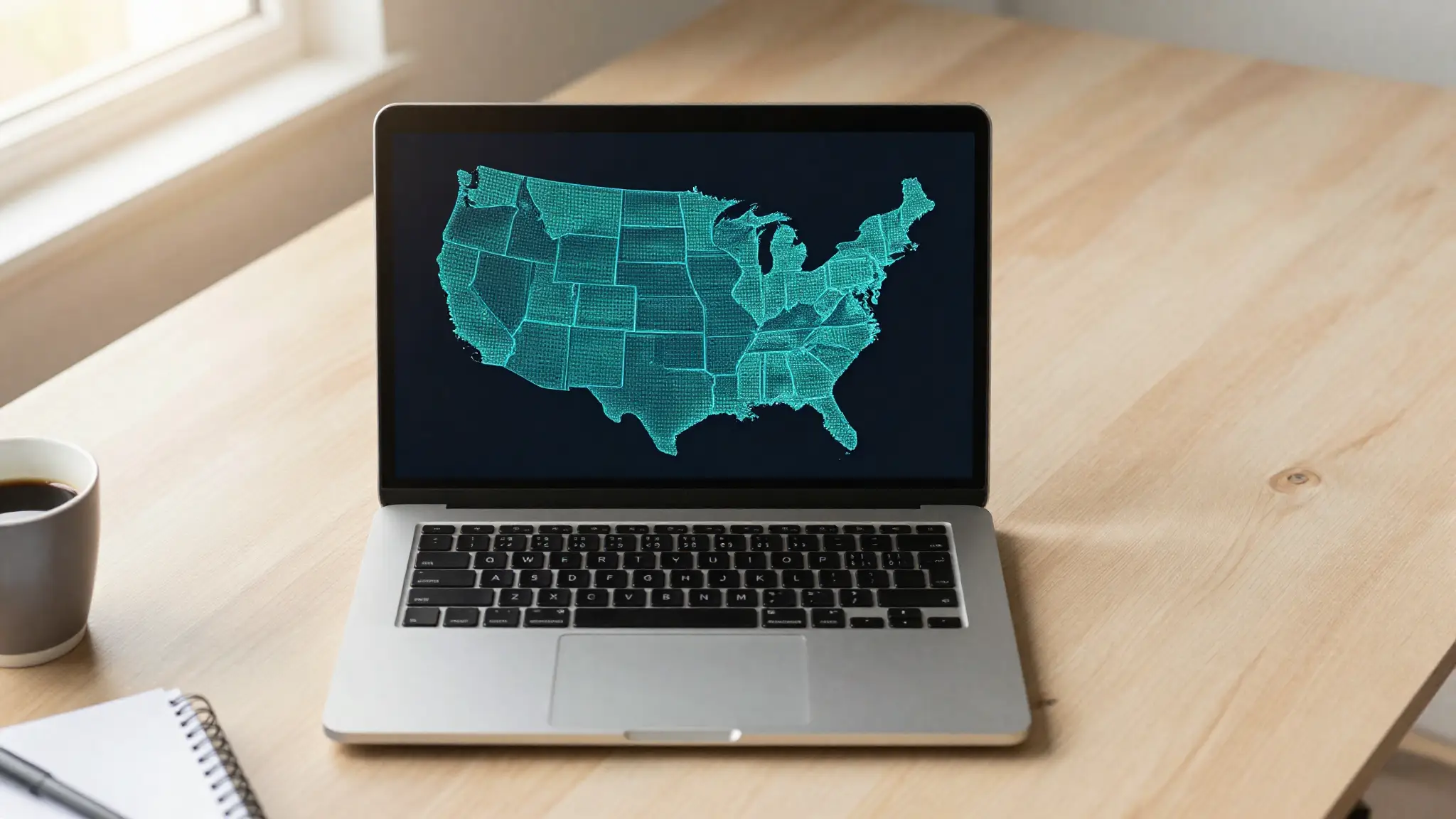
Hardware, install, software, content, and SLA under a single CrownTV agreement — no vendor finger-pointing on opening day.
Quote includes hardware, install labor, content design, Dashboard SaaS, and SLA — itemized so nothing surfaces later as a change order.
Single SLA spans display, media player, software, and field service. 48-hour media-player replacement during contract.
Dedicated account manager, 2-hour urgent response, on-site dispatch through our nationwide installer network.
From scope to live screens — five steps for retail programs.
01 — Scope
30-minute call to lock specs, hardware, software, and locations.
02 — Displays shipped
Commercial-grade displays drop-shipped to each site, matched to brightness, duty cycle, and mounting needs.
03 — Install
Local crews mount, wire, and connect every screen — usually under a week.
04 — Software live
CrownTV Dashboard configured; content goes live the same day.
05 — Managed
Ongoing content, monitoring, and 48-hour player swap if anything fails.
Real Google reviews from CrownTV deployments — refreshed live.
Read all reviews on Google 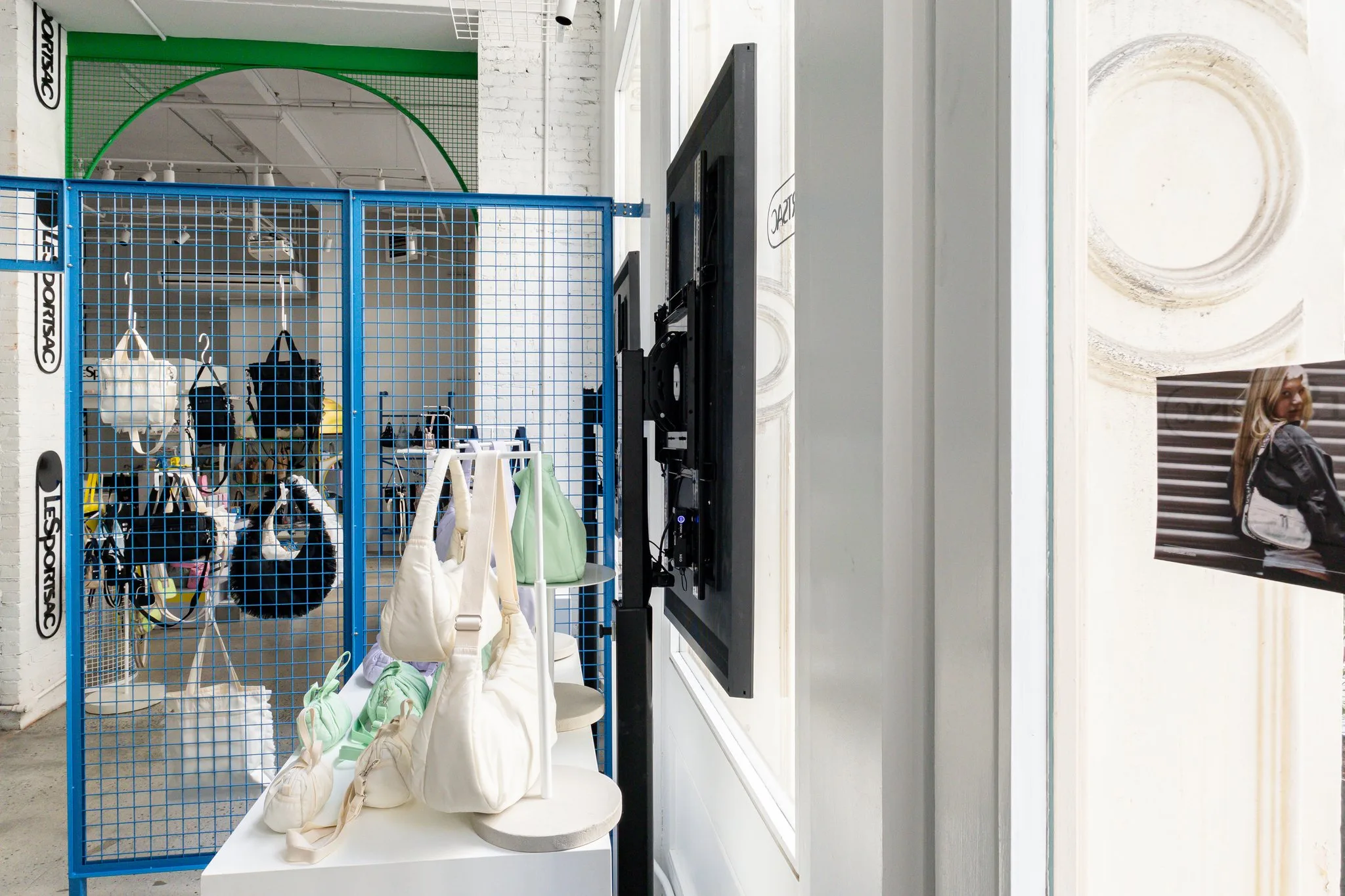
Frequently asked
Related industries
Same Dashboard, same install crew, same SLA — sharpened for the workflow of every vertical we cover.
Restaurants & QSR
Indoor menu boards, drive-thru, FDA calorie compliance, and pickup screens.
See restaurants & qsrSalon signage
Service menus, stylist boards, retail product, and treatment-room mood.
See salons & spasHospitality
Lobby video walls, conference wayfinding, F&B menus, and spa service menus.
See hospitalityConvenience & gas
Pump-top, forecourt, cold-vault, and lottery — sun-readable, weather-rated.
See convenience & gas stationsAlso serving: Digital Signage for Healthcare Digital Signage for Corporate Digital Signage for Fitness Digital Signage for Education
All inquiries responded to within 2 business hours.
No commitment. No hard sell.