8 Best Digital Signage Companies for Retail Stores in 2026

Contents

Finding the best digital signage companies for retail stores in 2026 can feel overwhelming. The market is flooded with providers promising sleek screens, easy software, and seamless integration, but not all of them deliver when it comes to the unique demands of brick-and-mortar retail.

Retail store owners, franchise operators, and marketing directors need more than just a screen on a wall. They need store display technology that drives foot traffic, boosts conversions, and keeps customers engaged from the moment they walk through the door. The right digital signage partner handles everything, from hardware and software to installation and ongoing support, so retailers can focus on what they do best: selling.

This guide ranks the top eight digital signage companies for retail in 2026, breaking down what each one offers, where they shine, and where they fall short. Whether managing a single boutique or hundreds of franchise locations, readers will find a solution that fits their scale, budget, and goals.

Last Updated: March 2026

What Makes Great Retail Signage?

Not every digital signage solution is built for retail. A system that works great in a corporate lobby or a school cafeteria might completely miss the mark inside a busy clothing store or fast-casual restaurant. So what separates a good retail digital signage platform from a great one?

Ease of content management. Retail teams are busy. They need a cloud-based dashboard where anyone, not just a tech specialist, can update promotions, swap out seasonal imagery, or schedule campaigns across dozens of locations in minutes. The benefits of digital signage in retail multiply when content updates happen in real time.

Commercial-grade hardware. Consumer TVs don’t cut it. Retail environments demand displays built for extended hours, bright lighting conditions, and constant use. Look for companies that offer or recommend commercial-grade Samsung panels or equivalent.

Scalability. A solution that works for five screens should work just as well for 500. Multi-location management, role-based permissions, and centralized scheduling are non-negotiables for franchise operators.

Turnkey service. The best providers handle the full stack: hardware sourcing, software licensing, content design tools, and professional installation. Piecing together separate vendors for each element is a recipe for headaches.

Integration capabilities. Modern in-store screens need to pull data from POS systems, social media feeds, inventory databases, and even weather APIs. The more integrations a platform supports, the more dynamic and relevant the content becomes.

Proven retail track record. Case studies and client lists matter. A company that’s deployed thousands of screens for well-known retail brands has already solved problems that newer entrants haven’t encountered yet.

These criteria form the foundation of the rankings below. Each company was evaluated on hardware quality, software flexibility, installation support, scalability, and overall value for retail-specific use cases. For a deeper jump into choosing the right signage hardware for retail environments, that’s worth exploring too.

Top Digital Signage Companies for Retail

The following eight companies represent the strongest options for retail digital signage in 2026. They were selected based on feature sets, retail-specific capabilities, pricing transparency, customer support quality, and real-world deployment scale.

The list is ordered by overall fit for retail stores, from single-location shops to enterprise-level franchise networks. Readers looking for a quick side-by-side view can jump to the feature comparison table further down.

Let’s get into it.

1. CrownTV

CrownTV takes the top spot for retail digital signage in 2026, and it’s not particularly close. With over 13 years of experience and more than 13,500 active screens deployed nationwide, CrownTV has established itself as the go-to turnkey digital signage provider for retail brands that want everything handled under one roof.

What sets CrownTV apart is its fully integrated approach. Rather than selling just software or just hardware, the company delivers a complete turnkey solution: commercial-grade Samsung displays, a proprietary cloud-based CMS (content management system), a compact yet powerful media player, and nationwide professional installation by licensed technicians. Retailers don’t need to coordinate between three or four vendors. CrownTV handles the entire process from initial consultation through ongoing support.

Why Retailers Choose CrownTV

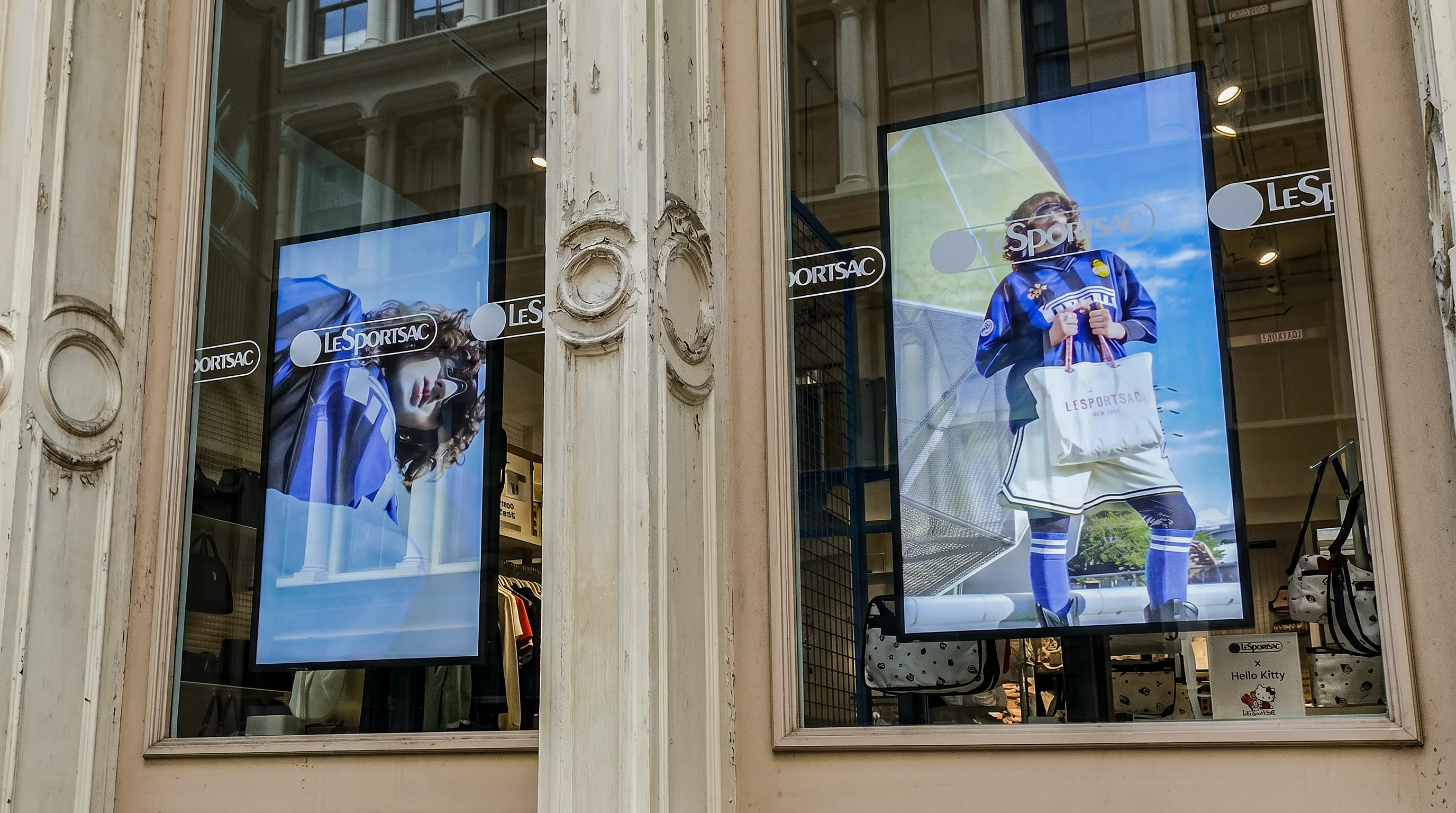
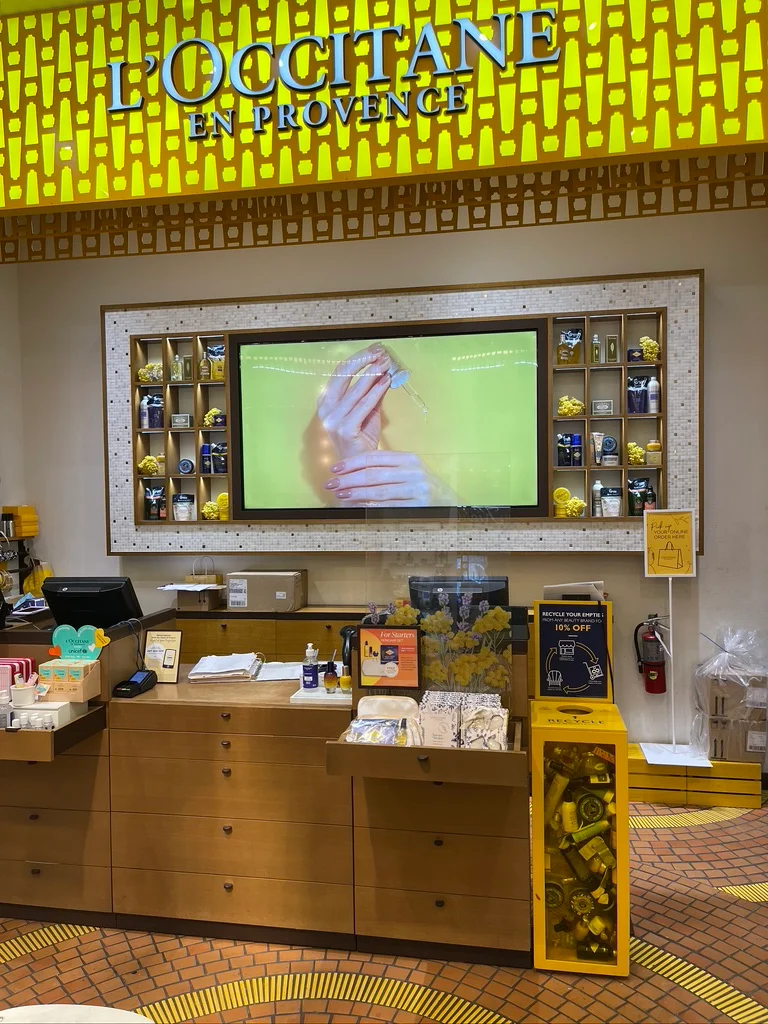
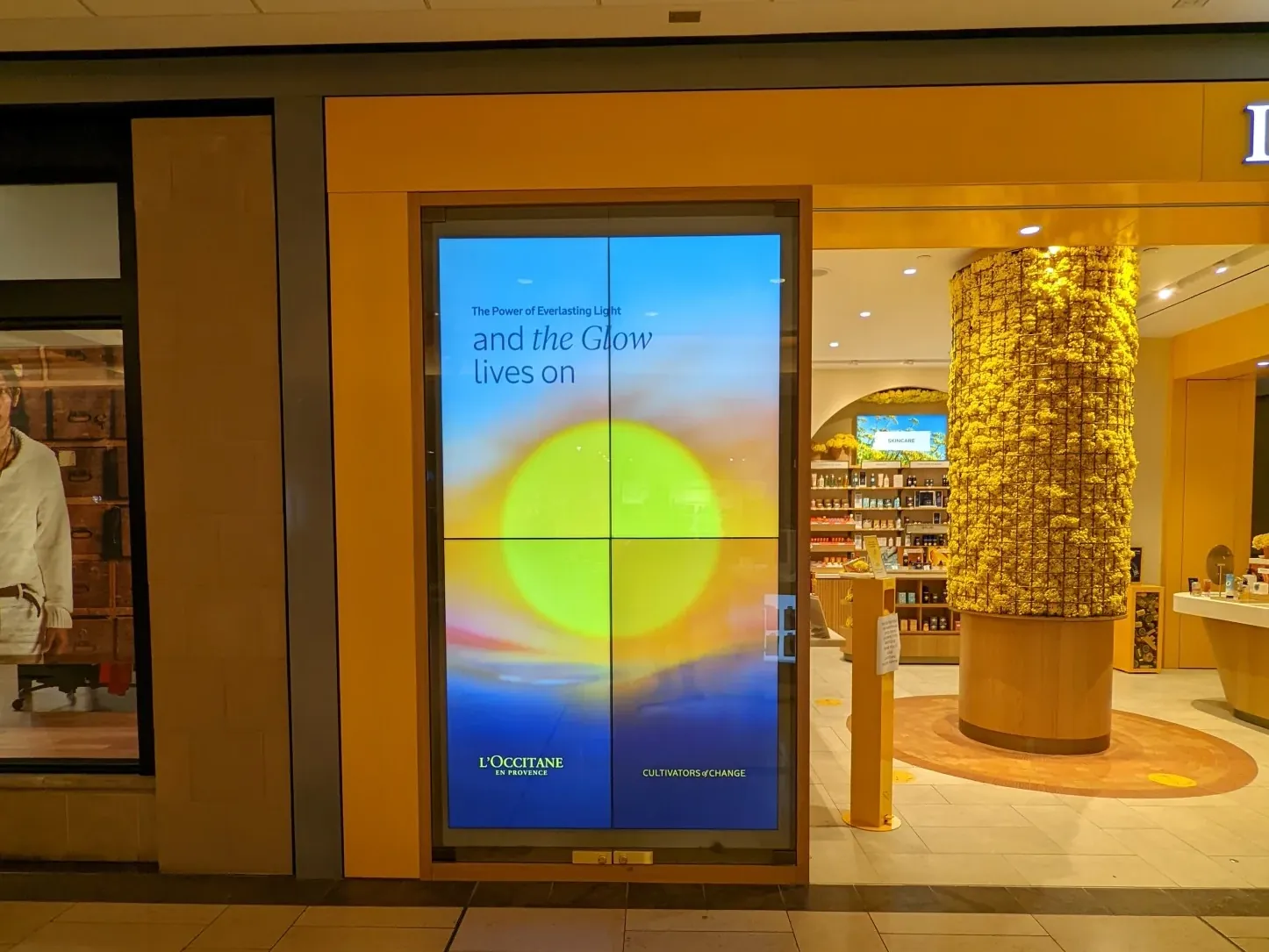
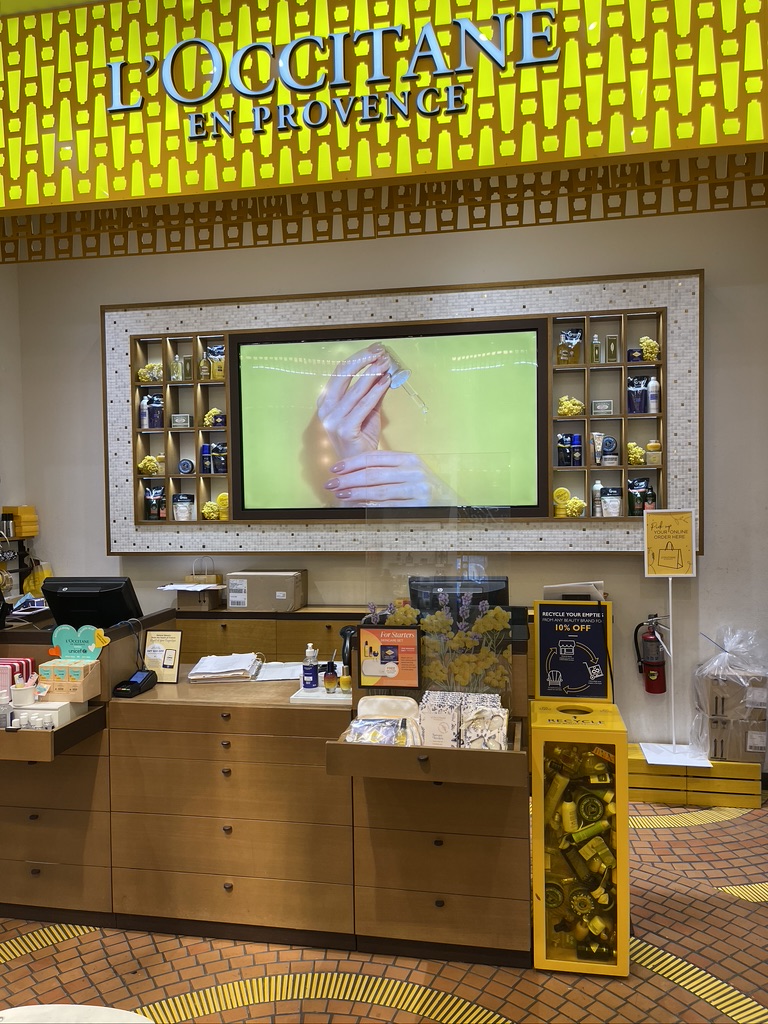
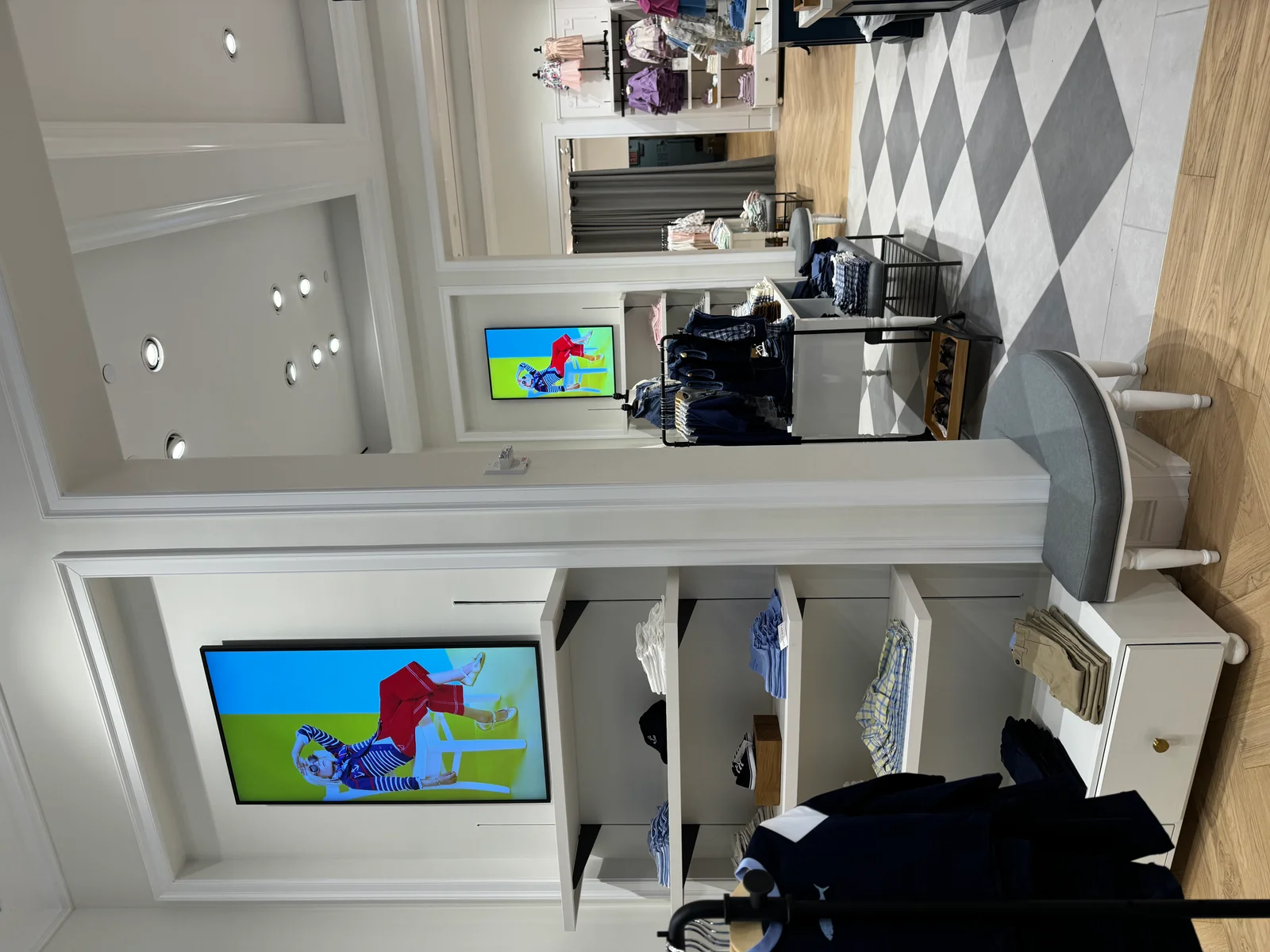
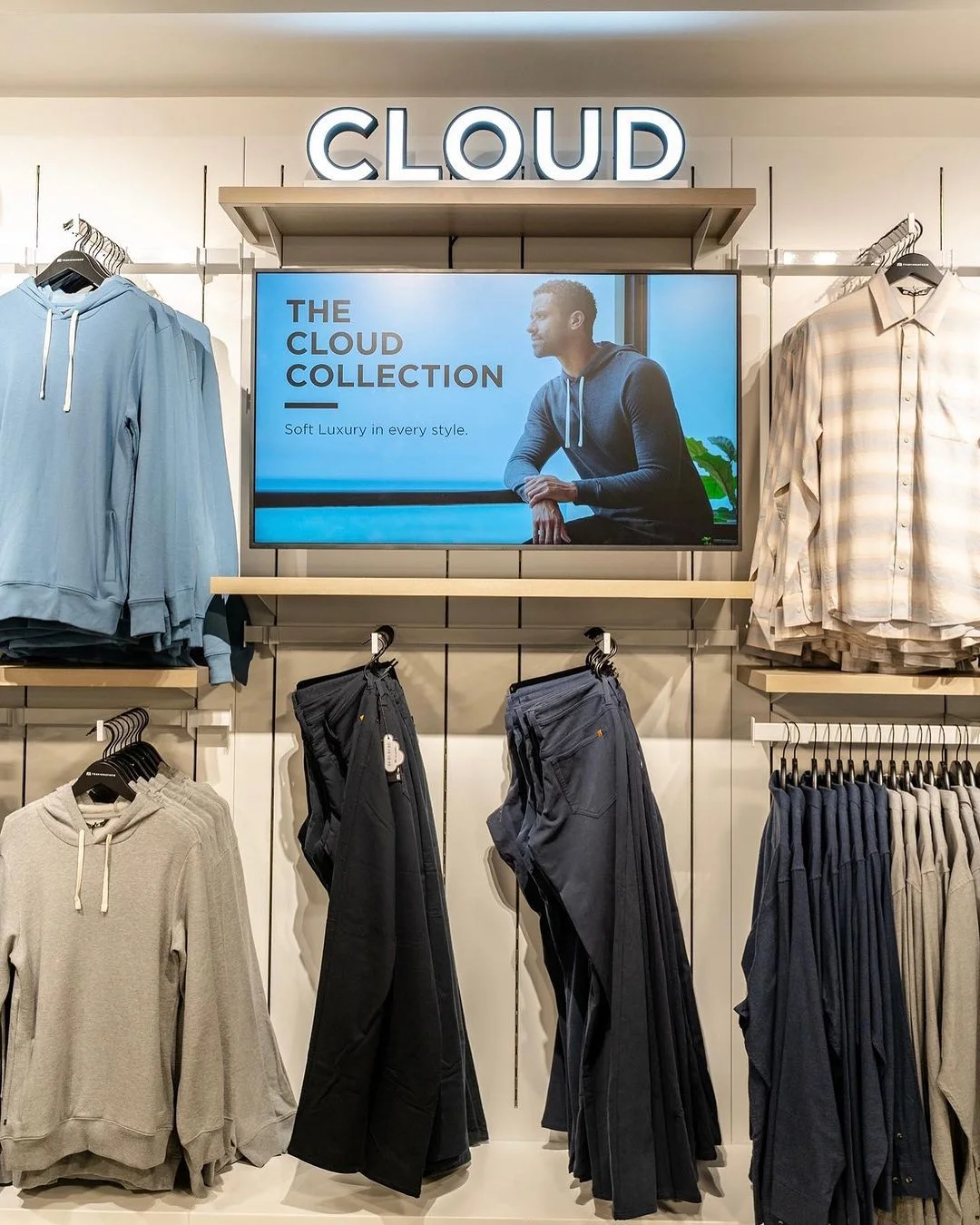
The company’s client roster speaks for itself. CrownTV powers in-store screens for Victoria’s Secret, L’Occitane en Provence, Bonobos, Janie and Jack, Pressed, and TLD America, brands that demand consistency, reliability, and visual excellence across multiple locations. Managing digital signage for high-profile retail chains requires a platform that scales effortlessly, and CrownTV’s dashboard makes it straightforward to control content across hundreds of screens from a single login.

Their CMS is intuitive enough for a store manager to use without training, yet robust enough for marketing teams running complex, time-sensitive campaigns. Users can schedule promotions weeks in advance, target specific stores or regions, and integrate dynamic content like social feeds or real-time inventory data. For those exploring retail signage software options, CrownTV’s platform consistently ranks among the most capable.

Key Features

  • Turnkey delivery: Samsung commercial displays + proprietary media player + cloud CMS + professional installation
  • Nationwide installation: Licensed technicians handle mounting, wiring, and configuration on-site
  • Scalable dashboard: Manage 1 screen or 1,000+ from a single cloud-based interface
  • App integrations: Connect with social media, weather, news, POS systems, and more
  • Content scheduling: Dayparting, location targeting, and automated playlist management
  • Dedicated support: Ongoing technical support and account management

Who It’s Best For

CrownTV is ideal for mid-size to enterprise retailers, franchise operators, and multi-location brands that want a white-glove experience. It’s especially well-suited for companies that don’t have in-house IT teams to manage signage deployments. The turnkey model means retailers can go from zero screens to a fully operational signage network without lifting a finger.

Retailers evaluating top signage providers in the U.S. will find CrownTV consistently positioned at or near the top of every credible list, backed by 13+ years of deployment expertise and thousands of active retail installations.

Pricing: Custom quotes based on screen count, display size, and installation requirements. Contact CrownTV directly for a tailored proposal.

2. Yodeck

Yodeck has carved out a strong position in the digital signage space by offering a budget-friendly, software-first platform that appeals to small and mid-size retailers. The company provides a free tier for single-screen setups, making it one of the most accessible entry points for store owners testing the waters with in-store screens.

The platform runs on Raspberry Pi-based media players, which keeps hardware costs low. Yodeck’s drag-and-drop editor is straightforward, and the template library covers common retail use cases like menu boards, promotional displays, and event announcements. Multi-screen management is available on paid plans, and the dashboard supports remote content updates from any browser.

Key strengths: Low cost of entry, user-friendly interface, decent template library, and solid uptime for basic deployments.

Best for: Single-location retailers, small chains, or businesses experimenting with store display technology on a tight budget.

One drawback: Yodeck doesn’t offer professional installation or commercial-grade hardware as part of its package. Retailers are responsible for sourcing displays, mounting them, and troubleshooting hardware issues independently, which can become a significant burden at scale. Cloud infrastructure for signage platforms often relies on services like those documented on AWS’s cloud blog, and Yodeck’s reliance on consumer-grade Raspberry Pi hardware may not meet the durability standards of high-traffic retail environments.

3. ScreenCloud

ScreenCloud positions itself as a modern, app-driven digital signage platform with a focus on ease of use and third-party integrations. It’s a solid option for retailers that already have displays in place and just need software to power them.

The platform supports a wide range of hardware, from Amazon Fire TV Sticks to dedicated signage players, which gives retailers flexibility. ScreenCloud’s app store includes integrations with Google Slides, Canva, Power BI, social media feeds, and more. This makes it particularly appealing for marketing teams that want to repurpose existing content across their retail signage network.

Key strengths: Extensive app ecosystem, hardware-agnostic approach, clean user interface, and strong content scheduling features.

Best for: Tech-savvy retail teams that want flexibility in hardware choice and deep integration with existing marketing tools.

One drawback: ScreenCloud is purely a software solution. It doesn’t provide hardware, installation, or on-site support. Retailers managing multiple locations will need to coordinate their own rollout logistics, which adds complexity and cost that aren’t reflected in the monthly subscription price.

4. NoviSign

NoviSign offers a cloud-based digital signage platform with a particular focus on interactive content and touchscreen capabilities. For retailers that want their in-store screens to do more than display static promotions, think wayfinding kiosks, product catalogs, or customer feedback stations, NoviSign is worth considering.

The drag-and-drop editor supports widgets for weather, social media, video, and even custom forms. NoviSign is compatible with Android, Chrome OS, and Windows players, and the company offers a relatively generous free trial period.

Key strengths: Strong interactive/touchscreen support, widget-rich editor, multi-platform compatibility, and reasonable pricing tiers.

Best for: Retailers exploring interactive store display technology, especially those running self-service kiosks or in-store directories.

One drawback: NoviSign’s design tools, while functional, feel somewhat dated compared to competitors. The template library is smaller, and creating polished, brand-consistent content often requires more manual effort. As developer communities on platforms like GitHub continue to push open-source signage tools forward, NoviSign’s interface could benefit from a significant refresh.

5. OptiSigns

OptiSigns has gained traction as a low-cost, feature-rich digital signage platform that punches above its weight class. Starting at just a few dollars per screen per month, it’s one of the most affordable options on this list, without sacrificing core functionality.

The platform supports over 100 apps and integrations, including Canva, Google Workspace, social feeds, and even AI-powered content tools. OptiSigns runs on a wide variety of hardware, from Fire TV Sticks and Raspberry Pi to commercial Android players. The CMS is clean, and scheduling features are more robust than one might expect at this price point.

Key strengths: Aggressive pricing, large integration library, hardware flexibility, and a rapidly expanding feature set.

Best for: Budget-conscious retailers and small franchise operators who want capable retail digital signage without a major financial commitment.

One drawback: Customer support can be inconsistent, particularly for users on lower-tier plans. Response times vary, and the lack of dedicated account management means retailers scaling beyond a handful of screens may find themselves troubleshooting alone.

6. Raydiant

Raydiant targets the in-store experience market specifically, blending digital signage with broader experience management tools. The platform is designed for brick-and-mortar businesses, restaurants, retail stores, and service locations, and includes features like digital menu boards, in-store music, and customer engagement analytics.

Raydiant’s proprietary hardware (the Raydiant Experience Hub) keeps setup relatively simple, and the platform offers a curated marketplace of apps for content creation and scheduling. For retailers interested in trends shaping in-store digital experiences, Raydiant’s approach to bundling signage with experience management tools is noteworthy.

Key strengths: Purpose-built for in-store experiences, integrated music and signage, proprietary hardware for simplified deployment.

Best for: Retailers and restaurants that want a combined signage and in-store experience platform.

One drawback: Raydiant’s pricing is on the higher end, and the proprietary hardware model means retailers are locked into Raydiant’s ecosystem. Switching providers later requires replacing physical devices, not just canceling a software subscription.

7. BrightSign

BrightSign is best known for its dedicated media players, compact, reliable hardware units purpose-built for digital signage. The company dominates the media player market and is often the hardware of choice for large-scale AV integrators and enterprise deployments. Many discussions across technical communities like Stack Overflow reference BrightSign’s API and player configurations.

BrightSign’s cloud platform, BrightSign Network (BSN.cloud), provides content management, scheduling, and remote device monitoring. The players support 4K HDR playback, HTML5 content, and live video streaming, making them a strong fit for retailers that need high-performance, always-on displays.

Key strengths: Industry-leading media player hardware, rock-solid reliability, 4K HDR support, and strong enterprise integrations.

Best for: Large retail chains and AV integrators that prioritize hardware performance and need players that run 24/7 without failure.

One drawback: BrightSign’s software platform lags behind its hardware. BSN.cloud is functional but not as intuitive or feature-rich as competitors’ CMS offerings. Retailers without dedicated IT staff may find the setup and content management learning curve steeper than expected.

8. Rise Vision

Rise Vision rounds out this list as a solid option for retailers looking for a simple, affordable digital signage platform. Originally popular in the education sector, Rise Vision has expanded into retail with a straightforward CMS, a growing template library, and competitive pricing.

The platform runs on Chrome OS devices and offers a free plan for single displays. For retailers wanting to explore commercial display options for their stores, Rise Vision integrates with most standard hardware. The template-based approach makes content creation fast, even for non-designers.

Key strengths: Simple setup, free single-screen plan, strong template library, and Chrome OS compatibility.

Best for: Small retailers, pop-up shops, or businesses transitioning from static signage to digital for the first time.

One drawback: Rise Vision’s feature set is relatively basic compared to full-service providers. Advanced scheduling, interactive content, and multi-zone layouts are limited, which can be frustrating for retailers with more sophisticated signage strategies.

Feature Comparison Table

Here’s a side-by-side look at how the top digital signage companies for retail stack up across the features that matter most:

Company Turnkey Solution Commercial Hardware Cloud CMS Professional Install Multi-Location Mgmt Starting Price Best For
CrownTV ✅ Yes ✅ Samsung displays ✅ Proprietary ✅ Nationwide ✅ Advanced Custom quote Enterprise & multi-location retail
Yodeck ❌ No ❌ Raspberry Pi ✅ Yes ❌ No ✅ Basic Free (1 screen) Budget small retailers
ScreenCloud ❌ No ❌ BYOD ✅ Yes ❌ No ✅ Yes ~$20/screen/mo Tech-savvy marketing teams
NoviSign ❌ No ❌ BYOD ✅ Yes ❌ No ✅ Yes ~$20/screen/mo Interactive kiosks
OptiSigns ❌ No ❌ BYOD ✅ Yes ❌ No ✅ Yes ~$10/screen/mo Budget-conscious retailers
Raydiant Partial ✅ Proprietary hub ✅ Yes ❌ Limited ✅ Yes Custom quote In-store experience
BrightSign ❌ No ✅ Media players only ✅ BSN.cloud ❌ No ✅ Enterprise ~$100+ (player) Large chains & AV integrators
Rise Vision ❌ No ❌ Chrome OS ✅ Yes ❌ No ✅ Basic Free (1 screen) Small/starter retailers

The table makes one thing clear: CrownTV is the only provider on this list offering a true end-to-end turnkey solution, Samsung commercial hardware, proprietary CMS, and professional installation included. For retailers that want a complete, hassle-free deployment, that distinction matters enormously.

FAQ

What is digital signage for retail stores?

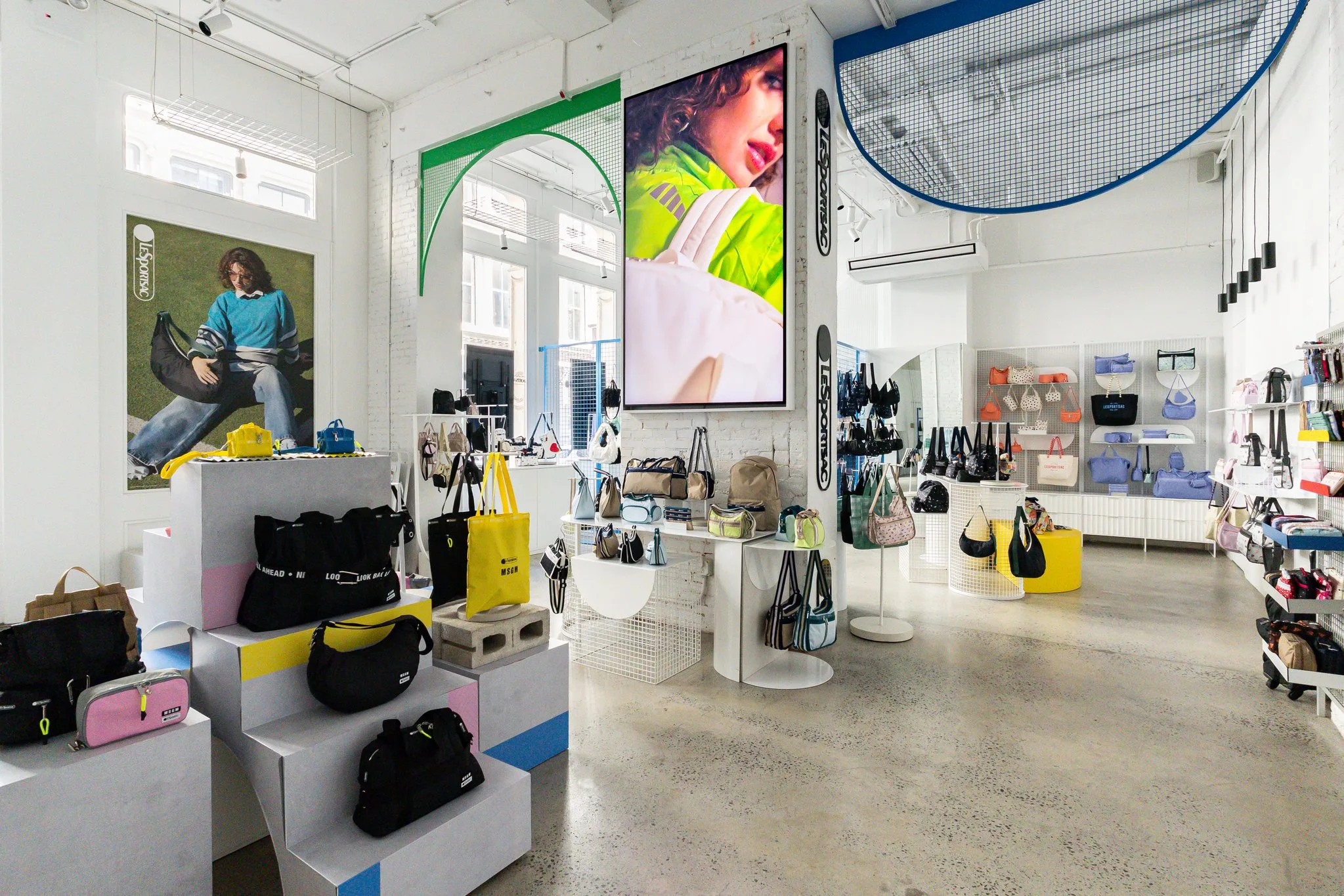
Retail digital signage refers to electronic displays, typically LED or LCD screens, placed inside or outside stores to show promotional content, product information, wayfinding directions, or branded media. These in-store screens replace traditional printed signs with dynamic, updatable content managed through cloud-based software.

How much does retail digital signage cost?

Costs vary widely depending on screen size, quantity, software licensing, and installation. Software-only platforms can start as low as $10–$20 per screen per month. Turnkey providers like CrownTV offer custom pricing that bundles commercial Samsung displays, CMS software, and professional installation into a single package, often making the total cost of ownership more predictable for multi-location retailers.

Can digital signage increase retail sales?

Yes. Studies consistently show that retail digital signage can boost in-store sales by 15–30% through improved product visibility, targeted promotions, and enhanced customer engagement. Dynamic content, such as limited-time offers or social proof displays, drives urgency and impulse purchases.

What’s the difference between a turnkey signage provider and a software-only platform?

A software-only platform (like Yodeck or ScreenCloud) provides the content management system but requires retailers to source their own hardware, hire installers, and manage technical issues independently. A turnkey provider like CrownTV handles everything, hardware, software, installation, and ongoing support, as a single integrated service.

How do I choose the best digital signage company for my retail store?

Start by assessing the number of locations, screen count, budget, and in-house technical capabilities. Retailers with IT teams may prefer flexible software-only options. Those without dedicated tech resources, or managing multiple locations, typically benefit from turnkey solutions that eliminate coordination headaches. For a comprehensive guide to choosing retail digital signage, that’s a useful starting point.

Do I need commercial-grade displays for my store?

In most cases, yes. Commercial displays are designed for extended operating hours (16–24 hours per day), higher brightness levels, and more durable construction than consumer TVs. They also typically include features like anti-burn-in technology and landscape/portrait mounting flexibility, which are critical for retail environments.

How long does it take to deploy digital signage in a retail store?

Timelines depend on the provider and scope. Software-only setups can be running within hours if hardware is already in place. Full turnkey deployments, including hardware procurement, site surveys, and professional installation, typically take 2–6 weeks. CrownTV’s licensed technician network enables efficient nationwide rollouts, even for multi-location deployments.

Frequently Asked Questions

What are the best digital signage companies for retail stores in 2026?

The top digital signage companies for retail stores in 2026 include CrownTV, Yodeck, ScreenCloud, NoviSign, OptiSigns, Raydiant, BrightSign, and Rise Vision. CrownTV leads the list as the only true turnkey provider offering Samsung commercial displays, a proprietary cloud CMS, and nationwide professional installation under one roof.

How much does digital signage cost for a retail store?

Retail digital signage costs depend on screen size, quantity, software, and installation. Software-only platforms start around $10–$20 per screen per month. Turnkey providers like CrownTV bundle commercial hardware, CMS software, and professional installation into custom pricing, which often makes total cost of ownership more predictable for multi-location retailers.

What is the difference between turnkey and software-only digital signage providers?

A software-only provider supplies the content management platform but requires retailers to buy hardware, hire installers, and handle technical issues independently. A turnkey digital signage company like CrownTV manages everything—commercial displays, software, on-site installation, and ongoing support—as a single integrated service, reducing complexity significantly.

Can digital signage increase sales in retail stores?

Yes. Research shows that retail digital signage can boost in-store sales by 15–30% through targeted promotions, improved product visibility, and enhanced customer engagement. Dynamic content such as limited-time offers, social proof displays, and real-time inventory highlights drives urgency and encourages impulse purchases.

Do retail stores need commercial-grade displays for digital signage?

In most cases, yes. Commercial-grade displays are engineered for 16–24 hour daily operation, higher brightness levels, and more durable construction than consumer TVs. They also include anti-burn-in technology and flexible mounting options, which are essential for high-traffic retail environments where screens run continuously.

How long does it take to deploy digital signage across multiple retail locations?

Timelines vary by provider and project scope. Software-only setups can go live within hours if hardware is ready. Full turnkey deployments—including site surveys, hardware procurement, and professional installation—typically take 2–6 weeks. Providers like CrownTV with licensed technician networks can efficiently handle nationwide multi-location rollouts.

Share this post with a friend:

Crown TV Favicon

Alex Taylor

Alex Taylor is the Head of Marketing at CrownTV, where he leads digital strategy, SEO, and growth marketing initiatives for one of the leading turnkey digital signage providers in the United States. With deep expertise in digital signage technology, content management systems, and display solutions, Alex has authored over 700 articles covering topics from digital signage best practices and industry trends to hardware specifications and software deployment strategies. Alex specializes in helping businesses—from quick-service restaurants and retail stores to corporate offices and healthcare facilities—leverage digital signage to enhance customer engagement, streamline communications, and drive measurable ROI. His insights draw on hands-on experience with CrownTV’s end-to-end digital signage ecosystem, including cloud-based content management, media player hardware, and professional installation services. A thought leader in the digital signage space, Alex regularly contributes expert analysis on emerging technologies such as AI-powered content optimization, interactive displays, and data-driven signage strategies. His work has helped thousands of businesses make informed decisions about their digital signage investments.

Tell Us What You Need

Discover seamless digital signage with CrownTV: cutting-edge software, indoor and High Brightness Window Displays, plus turnkey installation. We ensure your project’s success, every step of the way!

JOIN OUR NEWSLETTER

About CrownTV

At CrownTV, we’re not just experts; we’re your dedicated partners in digital signage. Our comprehensive solutions include advanced dashboards, high-quality screens, powerful media players, and essential accessories.

We serve a variety of clients, from small businesses to large corporations, across sectors like retail, hospitality, healthcare, and education. Our passion lies in helping each client grow and realize their unique digital signage vision. We offer tailored services, personalized advice, and complete installation support, ensuring a smooth, hassle-free experience.

Join our satisfied customers who have leveraged digital signage for their success.

Related posts