

In this guide, we explore everything you need to know about the future of physical stores: 10 technologies transforming retail in 2026 and how it can transform your business communications.
Foot traffic isn’t dying. It’s evolving. While analysts spent the last decade writing obituaries for brick-and-mortar retail, something unexpected happened. Stores didn’t disappear; they got smarter. The retailers who survived didn’t do it by slashing prices or doubling down on loyalty programs. They transformed their physical spaces into experiences that screens at home simply can’t replicate.
Here’s what changed: technology stopped being a back-office tool and became the front-of-house performer. The gap between online convenience and in-store experience? It’s closing fast, and 2026 marks the tipping point where physical retail reclaims its edge through innovation that feels less like science fiction and more like common sense.
You’re about to discover how forward-thinking retailers are turning stores into revenue engines that blend the tactile satisfaction of in-person shopping with digital precision. We’ve broken down the ten technologies reshaping retail floors right now, not five years from now, not in pilot programs, but in stores you can walk into today.
What You’ll Learn in This Guide
- Digital signage – How dynamic displays are replacing static posters and driving purchase decisions at the moment shoppers need them most
- Smart mirrors – The technology turning fitting rooms into personalized styling sessions that increase basket sizes by 30%
- AR try-ons – Why virtual product testing is reducing returns and building confidence before checkout
- Dynamic lighting systems – How retailers manipulate mood and attention through adaptive illumination
- Audio zones – The science of using localized sound to create distinct experiences within a single store
- IoT sensors – Real-world tracking that tells you what customers do, not what they say they do
- AI-driven analytics – Tools that predict inventory needs and optimize layouts based on actual foot traffic patterns
- Contactless checkout – The death of the traditional cash wrap and what’s replacing it
- Mobile integration – How smartphones became the bridge between physical browsing and digital purchasing
- Robotic assistance – Automation that handles the boring stuff so humans can focus on relationships
The stores winning in 2026 aren’t the ones with the biggest budgets. They’re the ones who figured out which technologies actually move the needle.
The Future of Physical Stores: 10 Technologies Transforming Retail in 2026: 1. Digital Signage Becomes the Visual Operating System
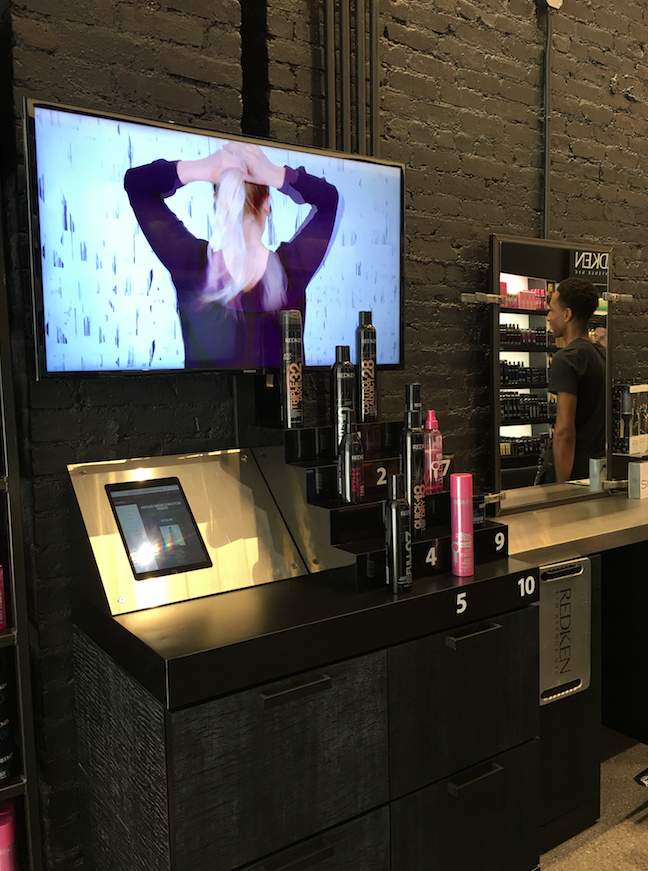
Walk into any retail space built before 2020, and you’ll spot the fossils immediately: printed posters with last month’s promotions, static menu boards advertising discontinued items, vinyl banners that cost $800 to print and another $400 to install. They’re expensive to produce, impossible to update, and they stay frozen in time while your business keeps moving.
Digital signage flipped that model on its head. What started as glorified TVs running PowerPoint slides has matured into a sophisticated visual platform that ties together nearly every other technology, transforming retail floors.
It’s become the connective tissue, the layer where AI recommendations meet customer eyeballs, where IoT sensor data turns into actionable displays, where product information updates the moment inventory levels shift. The technology isn’t supporting the retail experience anymore. It’s orchestrating it.
Why Digital Displays Outperform Traditional Signage
Traditional signage operates on a print-and-pray model. You design it, print it, hang it, and hope it’s still relevant three months later when you finally allocate budget to replace it. Digital screens work on a different timeline entirely.
Here’s what changes when you switch from static to digital:
- Content updates happen in seconds, not weeks. Pricing changes roll out across 50 locations simultaneously
- A/B testing becomes possible by running two different promotions on identical screens and measuring which one drives more transactions
- Daypart scheduling optimizes messaging for breakfast items at 8 am, lunch specials at noon, and happy hour promotions at 5 pm
- Dynamic triggers respond to external conditions, promote umbrellas when weather APIs detect rain, push cold drinks when temperature sensors hit 80 degrees
- Motion and video capture attention 400% more effectively than static images, according to research published by Forbes
The shift from fixed signage to programmable displays creates something retail has never had before: a visual layer that learns, adapts, and improves based on what’s actually happening in your store right now.
The Intelligence Layer Behind Modern Displays
Digital signage in 2026 isn’t running slideshows. It’s running algorithms. The screens themselves are output devices for a much more interesting backend system, one that processes data from multiple sources and makes split-second decisions about what to show.
This is where digital signage intersects with other technologies to create something far more powerful than any single technology could achieve alone.
AI-Powered Content Optimization
Machine learning models analyze which content generates the most engagement based on dwell time, conversion rates, and foot traffic patterns. The system learns that certain product categories perform better when displayed with lifestyle imagery versus product shots. It discovers that promotional countdowns create urgency for some demographics but repel others.
It figures out that your Tuesday afternoon crowd responds to different messaging than your Saturday morning shoppers. The screens adjust automatically. No human needs to sit in a meeting debating which creative performs better; the data decides, and the system executes.
IoT Integration for Context-Aware Messaging
Sensors scattered throughout your store feed information into your signage network. Occupancy sensors detect crowding near checkout and trigger displays promoting mobile payment options to reduce wait times.
Shelf sensors notice low stock on a featured item and automatically swap that promotion for a fully-stocked alternative. Temperature monitors detect HVAC issues and alert staff through on-screen notifications before customers start complaining.
Your signage network becomes a distributed communication system that connects:
- Inventory management systems that prevent promoting out-of-stock items
- Queue management tools that display wait times and direct traffic to open registers
- Security cameras using computer vision to analyze demographic composition and adjust messaging
- Mobile apps that let customers send products to displays for larger viewing
- POS systems that measure which promotions actually drive purchases versus which ones just look good
QR Code Integration for Frictionless Engagement
Static posters can’t respond to customer interest. Digital displays can, and they do it through strategically placed QR codes that bridge the gap between passive viewing and active engagement. A customer sees a product on screen, scans the code, and lands on a product page pre-loaded in their cart. Or they access detailed specifications that don’t fit on the display. Or they join a waitlist for a sold-out item.
The QR code turns your signage from a broadcast medium into an interactive one. And because the codes are digitally generated, you can swap them out instantly when campaigns change, track scan rates to measure engagement, and personalize the landing experience based on location or time of day.
Content Strategy That Drives Revenue
Hardware means nothing without the right content strategy. The retailers succeeding with digital signage aren’t the ones with the biggest screens; they’re the ones who figured out what to show, when to show it, and how to measure whether it worked.
The 70-20-10 Content Mix
Smart retailers follow a proven content allocation model that balances promotional messaging with brand building and community engagement.
| Content Type | Percentage | Purpose | Example |
| Promotional | 70% | Drive immediate purchases | Limited-time offers, new arrivals, product features |
| Brand Building | 20% | Reinforce identity and values | Brand story, sustainability initiatives, craftsmanship details |
| Community | 10% | Build local connection | Local events, customer spotlights, neighborhood news |
This distribution prevents promotional fatigue while keeping your brand message consistent. Screens that run nothing but discounts train customers to wait for sales. Screens that never mention pricing miss opportunities to close purchases. The mix matters.
Triggered Messaging Based on Customer Behavior
The most effective digital signage responds to what customers are actually doing, not what you assume they might want. Behavioral triggers create relevance that generic messaging can’t match.
- Dwell time triggers – When customers spend more than 45 seconds in a section, displays show detailed product information and usage tips
- Traffic flow triggers – High-traffic periods shift to simplified messaging with clear calls-to-action, while slower periods allow for storytelling
- Weather triggers – Rain detection promotes waterproof products, heat waves push cooling items, cold snaps highlight layering options
- Inventory triggers – Low-stock items get de-emphasized while overstocked products receive promotional pushes
- Time-based triggers – Content rotates based on customer demographics that vary by hour and day
Measuring What Matters
You can’t improve what you don’t measure. Digital signage generates data that static posters never could, and retailers who track the right metrics turn that data into continuous improvement.
Key performance indicators worth monitoring:
- Conversion lift – Compare purchase rates for promoted items versus non-promoted controls
- Dwell time increase – Measure how long customers spend in areas with active displays versus areas without
- Content engagement rates – Track QR code scans, app interactions, and other measurable responses
- Revenue per screen – Calculate the incremental sales attributed to each display location
- Content effectiveness scores – A/B test variations and retire underperforming creative
The feedback loop this creates is what separates modern digital signage from the old “set it and forget it” approach. You learn what works, do more of it, and cut what doesn’t. Your signage network gets smarter every week.
Installation and Management at Scale
Technology only delivers ROI if it’s reliable, manageable, and scalable. The best digital signage systems, like the one provided by CrownTV, are built for retail realities, multiple locations, varying network conditions, non-technical staff, and zero tolerance for downtime.
- Cloud-Based Management: Modern signage platforms like CrownTV’s dashboard run entirely in the cloud, which means you control every screen from a single dashboard regardless of how many locations you operate. The cloud architecture eliminates the need for on-site servers, reduces IT overhead, and enables instant rollbacks if something goes wrong. Your screens become as easy to manage as your email.
- Plug-and-Play Hardware: Gone are the days of custom integrations and specialized technicians. Current-generation media players connect to any commercial display through standard HDMI, pull content automatically from the cloud, and require zero configuration beyond connecting to WiFi. Screens go from box to broadcasting in under 15 minutes. What plug-and-play deployment enables:
- Rapid expansion without technical bottlenecks
- Easy replacement if hardware fails
- Flexible repositioning as store layouts evolve
- Minimal training requirements for staff
- Offline Resilience: Network outages happen. Smart signage systems cache content locally, so screens keep running even when internet connectivity drops. The moment the connection is restored, the system syncs any missed updates and resumes normal operation. Your customers never see error messages or blank screens.
Looking Forward to Late 2026 and Beyond
Digital signage is absorbing capabilities that used to require separate systems. Screens are getting thinner, brighter, and more energy-efficient. Processing power is moving to the edge, enabling real-time computer vision analysis without cloud latency. Touch interactivity is becoming standard rather than premium.
Predictions with timelines:
- Q2 2026 – Transparent OLED displays hit mainstream pricing, allowing product showcases with digital overlays
- Q3 2026 – Voice interaction becomes standard on interactive kiosks, reducing touch-based contamination concerns
- Q4 2026 – Holographic displays move from proof-of-concept to pilot deployments in flagship stores
- Early 2027 – AI-generated content creates personalized messaging for individual shoppers based on recognition technology
The retailers who treat digital signage as a strategic platform rather than a tactical tool will own the physical retail advantage for the next decade. The visual layer is no longer optional; it’s the foundation everything else builds on.
2. Smart Mirrors Turn Fitting Rooms Into Conversion Machines
The fitting room has always been retail’s moment of truth, the place where browsers become buyers or walk away empty-handed. Smart mirrors transformed that private decision-making space into an interactive experience that removes friction, adds convenience, and pushes basket sizes higher.
These aren’t mirrors with screens awkwardly attached. They’re full-length displays with reflective surfaces that overlay digital information onto your actual reflection. You see yourself wearing the clothes you brought in, plus suggested items that complement what you’re trying on, alternative sizes already pulled from inventory, and styling advice that feels personal rather than algorithmic.
What Smart Mirrors Actually Do
The technology solves problems customers didn’t know they could avoid. You want a different size but don’t want to get dressed and hunt down a sales associate. Tap the mirror, request the size, and someone will bring it to your fitting room. You love the shirt but can’t decide between colors. The mirror shows you wearing each option without changing clothes. You’re missing a belt to complete the outfit. The mirror suggests three options and lets you add them to your purchase with one touch.
Core functions that drive results:
- Virtual outfit building that suggests complementary items based on what you’re trying on
- Instant size and color requests sent directly to floor staff
- Saved looks that transfer to your phone for later consideration
- Lighting adjustments that simulate different environments (office, evening, outdoor)
Smart mirrors aren’t selling on novelty anymore; they’re selling on numbers. Retailers report measurable increases in items per transaction, reduced fitting room abandonment, and higher staff efficiency since associates spend less time running back and forth retrieving sizes.
The mirrors also capture data that traditional fitting rooms never could. You learn which items get tried on together, which combinations lead to purchases, which sizes get requested most frequently, and how long customers spend considering each item. That information feeds back into inventory decisions, merchandising strategies, and product development.
Installation costs have dropped as the technology has matured. Early adopters paid premium prices for custom integrations. Current solutions use standardized hardware, cloud-based software, and existing WiFi infrastructure. The screens go up in existing fitting rooms without construction beyond mounting brackets and power outlets.
Timeline prediction: By Q3 2026, smart mirrors will be standard in mid-market fashion retail, not just luxury flagships.
3. AR Try-Ons Eliminate Purchase Hesitation
Augmented reality turned “will this work for me?” into a question customers can answer before they buy. The technology overlays virtual products onto real-world environments through smartphone cameras or in-store displays, letting shoppers test furniture in their living rooms, see how paint colors look on their walls, or try on glasses without touching a single frame.
The friction AR removes is massive. Returns drop because customers know what they’re getting. Purchase confidence rises because guesswork disappears. Decision time shrinks because you’re looking at the actual product in your actual space, not trying to extrapolate from a photo on a website.
How Retailers Deploy AR Effectively
The technology works through two primary channels. Mobile apps let customers try products at home before visiting the store or making an online purchase. In-store stations use tablets or kiosks for immediate testing without needing to download anything.
Successful AR applications across categories:
- Furniture and home goods – Place full-scale 3D models in your room to check dimensions and style fit
- Cosmetics – Test foundation shades, lipstick colors, and eye makeup without touching testers
- Eyewear – Try on hundreds of frames in seconds and see how they look from multiple angles
- Home improvement – Visualize tile patterns, cabinet colors, and fixture placements before buying
Bad AR implementations feel gimmicky. Good ones feel useful. The difference comes down to accuracy, speed, and integration with the purchase path. If the virtual representation doesn’t match the real product closely, trust evaporates. If the app takes 30 seconds to load each item, customers lose patience. If there’s no clear path from “I like this” to “I’m buying this,” the technology becomes entertainment rather than commerce.
The retailers winning with AR built seamless handoffs. You try on virtual glasses, find a pair you love, and tap to see which store locations have them in stock or add them straight to your cart. You place a virtual sofa in your living room, confirm it fits, and schedule delivery. The try-on experience flows directly into the transaction.
Timeline prediction: AR try-on functionality will be table-stakes for furniture, cosmetics, and eyewear retailers by early 2027.
4. Dynamic Lighting Systems Manipulate Mood and Attention
Light does more than illuminate products; it directs attention, influences mood, and shapes how customers perceive value. Dynamic lighting systems give retailers programmatic control over the entire visual environment, adjusting color temperature, brightness, and focus based on time of day, product categories, and desired customer behavior.
Static lighting forces compromises. You set it up once and hope it works for morning shoppers and evening browsers, for browsing and for checkout, for every product category in your store. Dynamic systems eliminate those compromises by treating light as a variable you can optimize for specific outcomes.
Technical Components That Enable Adaptability
Modern retail lighting runs on networked LED fixtures controlled through centralized software platforms. Each light becomes an addressable node that responds to schedules, sensors, and manual overrides. The infrastructure supports unlimited configurations without rewiring or replacing hardware.
What controllable lighting enables:
- Circadian-aligned schedules that use cooler, energizing light during morning hours and warmer, relaxed tones in the evening
- Accent lighting that highlights featured products or promotional displays
- Ambient shifts that create distinct zones within open floor plans
- Reactive adjustments based on natural light levels detected through photosensors
Smart retailers use lighting to guide customer movement and influence purchase decisions. Brighter lighting draws attention to high-margin items or new arrivals. Dimmed ambient light with focused spotlights creates a premium perception around luxury goods. Color temperature shifts make food look more appetizing or cosmetics appear more vibrant.
The effects are measurable. Track heat maps before and after implementing dynamic lighting in specific zones. Monitor dwell time in highlighted areas versus non-highlighted sections. Measure conversion rates for products under optimized lighting versus standard illumination.
Timeline prediction: Integrated lighting control systems will become standard in new retail construction by Q4 2026, with retrofit solutions gaining traction in existing spaces throughout 2027.
5. Audio Zones Create Distinct Experiences Within Single Spaces
Directional speaker technology lets retailers broadcast different soundscapes to different areas without bleeding audio across zones. You can play upbeat music in activewear sections while classical arrangements flow through formalwear, all within the same open floor plan.
The technology uses focused acoustic beams that contain sound within defined boundaries. Walk from one zone to another, and the transition feels natural rather than jarring. The effect creates psychological boundaries that help customers mentally categorize different shopping areas even when physical barriers don’t exist.
Practical applications that reshape store environments:
- Product-specific audio that matches merchandise (surf sounds near beachwear, urban ambience near streetwear)
- Promotional announcements targeted to specific departments without store-wide interruption
- Language-specific messaging in multicultural markets directed to relevant sections
- Volume adjustments based on occupancy sensors that prevent dead silence or overwhelming noise
Timeline prediction: Zoned audio systems will become standard in stores over 5,000 square feet by mid-2027.
6. IoT Sensors Reveal What Customers Actually Do
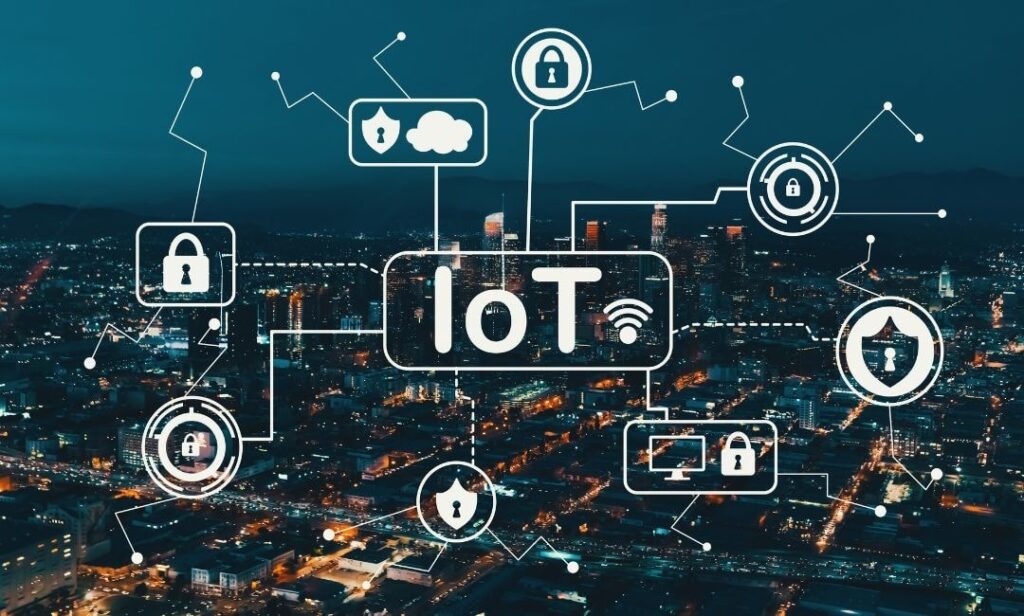
Surveys tell you what customers say they do. IoT sensors show you what they actually do. The gap between those two data sources is where most retail industry strategies fall apart.
Sensor networks scattered throughout your store track movement patterns, dwell times, interaction rates, and environmental conditions in real time. The data reveals which displays get ignored, which aisles create bottlenecks, which products get picked up but not purchased, and which times of day bring your most valuable customers.
The Sensor Stack That Powers Retail Intelligence
Modern retail spaces deploy multiple sensor types working together to build a complete picture of store activity. Each sensor category captures different behavioral signals that combine into actionable insights. These intelligent systems process information faster than any manual observation could, giving you a competitive advantage over stores still relying on intuition.
Common sensor deployments and their functions:
- Occupancy sensors – Count foot traffic by zone and identify crowding before it becomes a problem
- Shelf sensors – Detect when products get picked up, track out-of-stock conditions, and measure interaction rates
- Environmental sensors – Monitor temperature, humidity, and air quality to maintain optimal shopping conditions
- Proximity beacons – Trigger mobile app notifications when customers enter specific zones
- Computer vision cameras – Analyze traffic flow, detect queue lengths, and identify demographic patterns
Turning Sensor Data Into Store Improvements
Raw data means nothing without analysis and action. The retailers succeeding with IoT aren’t the ones with the most sensors; they’re the ones who built feedback loops that turn observations into optimizations through data analytics.
You notice customers consistently bypassing an endcap despite its prominent placement. Sensor data shows the traffic pattern naturally flows away from that spot. You relocate the display to a high-traffic intersection and watch engagement triple. The sensors told you where to look, and your action captured the opportunity.
This approach helps you compete not only with other physical stores but with online shopping platforms that have always had the competitive edge of tracking every click and scroll. Many retailers discovered that matching customer expectations shaped by e-commerce requires bringing that same precision to physical spaces. The future of retail belongs to businesses that combine the convenience of online retail with the tangible experience of in-store shopping.
Actionable insights sensors provide:
- Optimal staff positioning based on when and where customers need assistance
- Product placement decisions guided by actual pickup and purchase patterns, helping you focus on selling products that actually move rather than guessing what will work
- HVAC adjustments that respond to occupancy rather than timers
- Security alerts when unusual movement patterns suggest theft attempts
- Inventory triggers that support same-day delivery and micro fulfillment centers by flagging low stock before it impacts availability
The technology even enables digital twin technology, creating virtual replicas of your physical store that let you test layout changes before moving a single fixture. Combined with natural language interfaces, managers can ask questions like “which products perform best near the entrance?” and get instant answers.
As technology evolves at a rapid pace, implementing zero-trust security models becomes critical to protect the customer data these sensors collect. Price-sensitive shoppers also appreciate when sensor-driven efficiency translates into better inventory management and fewer out-of-stocks.
Timeline prediction: Comprehensive sensor networks will be standard in new retail construction by Q1 2027, with retrofit solutions becoming cost-effective for existing locations throughout the year. The future belongs to retailers who treat physical spaces with the same data-driven rigor that online platforms pioneered.
7. AI-Driven Tools Predict Demand and Optimize Operations
Artificial intelligence turned retail management from reactive firefighting into proactive optimization. The technology analyzes patterns humans can’t see, predicts outcomes with increasing accuracy, and automates decisions that used to consume hours of management time.
AI in retail isn’t about replacing human judgment; it’s about enhancing it with insights drawn from millions of data points processed instantly. The systems learn which products sell together, when restocking should happen, how weather affects demand, and which promotions drive genuine incremental sales versus cannibalizing full-price purchases.
We’re entering a new era where generative AI doesn’t just analyze existing data but creates predictive models that companies can use to stay ahead of market shifts.
Where AI Creates Measurable Impact
The most valuable AI applications focus on three areas where better predictions translate directly into higher profits and lower waste. This powerful tool transforms how retailers approach everything from inventory to marketing.
Inventory Optimization
AI models analyze historical sales data, seasonal patterns, local events, weather forecasts, and current trends to predict exactly how much inventory each location needs. The system prevents overstocking, which leads to markdowns and understocking that costs sales. It automatically triggers reorders, suggests transfers between locations, and identifies slow-moving items before they become problems.
Beyond basic stock management, AI improves operational efficiency by reducing the environmental impact of excess inventory that ends up in landfills. Younger generations expect retailers to demonstrate transparency around waste reduction, and AI-powered inventory systems deliver measurable progress.
Dynamic Pricing
Prices adjust based on demand signals, competitor pricing, inventory levels, and customer willingness to pay. The AI finds the optimal price point that maximizes revenue without alienating customers or training them to wait for discounts. Clearance items get marked down at the precise moment that balances sell-through speed against margin preservation.
This represents the next era of pricing strategy that moves beyond manual markdown schedules. Retailers operating in a mall environment can adjust prices in response to competing stores while maintaining brand positioning.
Customer Behavior Prediction
Machine learning models identify which customers are most likely to make high-value purchases, which ones are at risk of churning, and which ones respond to specific promotional tactics. The insights power personalization at scale, targeted offers, and staff alerting systems that notify associates when VIP customers enter the store.
The technology even includes AI-powered threat detection that identifies fraudulent behavior patterns before they result in losses, protecting both the business and legitimate customers.
Key AI capabilities retailers are deploying now:
- Demand forecasting that reduces stockouts by predicting spikes before they happen
- Layout optimization that suggests product placements based on purchase correlation analysis
- Staffing models that match employee schedules to predicted traffic patterns
- Fraud detection that flags suspicious transactions in real time
Timeline prediction: AI-powered inventory and pricing tools will become affordable for mid-market retailers by Q3 2026, democratizing capabilities that were previously exclusive to major chains. These advancements will level the playing field between independent retailers and national brands.
8. Contactless Checkout Eliminates the Queue

The traditional cash wrap is becoming obsolete. Contactless checkout systems let customers complete purchases without stopping at a register, without waiting in line, and without interacting with staff unless they want to.
The technology works through multiple methods depending on the retail format. Scan-and-go apps let customers use their phones to scan items as they shop and pay through the app before walking out. Computer vision systems track what customers pick up, automatically charge their accounts when they leave, and send digital receipts. Self-checkout kiosks with tap-to-pay terminals handle the transaction in seconds.
Implementation Models That Fit Different Formats
Retailers choose contactless systems based on store size, product types, and customer preferences. Each model solves the checkout bottleneck differently.
Available contactless checkout options:
- App-based scanning – Customers scan barcodes with their phones, and checkout happens in-app
- Just Walk Out technology – Computer vision and shelf sensors track purchases automatically
- Mobile point-of-sale – Staff members complete transactions anywhere on the floor using tablets
- RFID-enabled exits – Tags on products get scanned automatically as customers leave through sensor gates
- QR code payments – Customers scan a code at unmanned stations to process their purchase
Faster checkout is the obvious win, but contactless systems deliver value in less visible ways. Labor costs shift from transaction processing to customer service. Floor space previously occupied by registers opens up for merchandise. Data captured during mobile checkout reveals shopping patterns that traditional POS systems miss.
The technology also reduces theft compared to traditional self-checkout because tracking happens automatically rather than relying on customer honesty. Computer vision catches when items don’t get scanned. Weight sensors detect unpaid merchandise. The system flags discrepancies before customers exit.
Challenges to address during rollout:
- Customer education on how the system works
- Age verification for restricted products
- Loss prevention protocols that don’t create friction
- Payment failure handling when network connectivity drops
Timeline prediction: Contactless checkout will represent over 40% of retail transactions by Q2 2027, with traditional registers relegated to backup and exception handling.
9. Mobile Integration Bridges Physical and Digital Commerce
Smartphones became the missing link between browsing in stores and purchasing across channels. Mobile integration means your phone recognizes when you enter a retail location, surfaces relevant offers, lets you check inventory, enables product comparisons, and completes transactions without touching a register.
The technology transforms phones from distractions into shopping tools. Customers scan products to read reviews, check if cheaper options exist online, see how items look in different colors, and add things to wishlists for later consideration. Retailers who fight this behavior lose. Retailers who embrace it and build mobile experiences that enhance in-store shopping win.
Features That Make Mobile Integration Valuable
Effective mobile retail apps do more than replicate website functionality on a smaller screen. They use location awareness, camera capabilities, and real-time data to create experiences that only work when you’re physically present in the store.
Mobile capabilities that enhance physical retail:
- In-store navigation – Maps that show you exactly where to find specific products
- Inventory checking – Real-time stock levels for the location you’re standing in
- Extended product information – Specs, reviews, and usage videos accessible through scanning
- Digital loyalty integration – Automatic point accrual and redemption without carrying cards
- Endless aisle access – Order out-of-stock items for home delivery or store pickup
Mobile apps are only as good as the infrastructure behind them. The technology requires tight integration between inventory management systems, location services, payment processors, and customer databases.
Geofencing triggers app notifications when customers enter or approach your store. Beacon technology enables aisle-level positioning that powers navigation features. API connections to your POS and inventory systems ensure the information customers see matches reality. Cloud infrastructure handles traffic spikes during peak shopping periods without crashes.
Technical requirements for reliable mobile integration:
- Robust WiFi coverage throughout the store to prevent dead zones
- Real-time inventory synchronization across all channels
- Secure payment processing that meets PCI compliance standards
- Analytics platforms that track in-app behavior and attribute sales correctly
Timeline prediction: Retailers without comprehensive mobile integration will lose market share rapidly throughout 2026 and 2027 as consumer expectations solidify around mobile-first shopping experiences.
10. Robotic Assistance Handles Repetitive Tasks
Robots in retail aren’t replacing humans; they’re taking over the boring, repetitive work so staff can focus on customer relationships and complex problem-solving. The technology has matured past novelty deployments into practical applications that deliver clear ROI through labor savings and accuracy improvements.
Current retail robots handle inventory scanning, floor cleaning, shelf stocking assistance, and basic customer wayfinding. They work overnight shifts without fatigue, maintain consistent quality, and free up human employees for tasks that require judgment, empathy, and creativity.
Practical Robot Deployments in Stores Today
The robots succeeding in retail solve specific, well-defined problems rather than attempting general-purpose assistance. Each robot type excels at a narrow range of tasks where automation makes economic and operational sense.
Robot categories and their functions:
- Inventory scanners – Autonomous units that roam aisles overnight, checking stock levels and identifying misplaced items
- Cleaning robots – Floor scrubbers that maintain spotless surfaces without tying up staff
- Shelf monitoring robots – Devices that detect out-of-stocks, pricing errors, and planogram compliance issues
- Delivery robots – Units that transport stock from backrooms to sales floors or between departments
Early retail robots cost six figures and required specialized maintenance. Current models run between $15,000 and $50,000 with service contracts that cover repairs and software updates. The payback period for most applications runs 18 to 24 months based on labor savings alone, faster when you factor in accuracy improvements and extended operating hours.
Robots don’t call in sick, don’t need breaks, and work at consistent speeds regardless of how many hours they’ve been running. They also capture data as they operate inventory robots, generate detailed reports on stock conditions, cleaning robots map traffic patterns based on dirt accumulation, and shelf monitors identify recurring compliance problems.
Implementation considerations:
- Store layout modifications to ensure clear robot pathways
- Staff training on robot supervision and intervention protocols
- Customer communication about what the robots do and don’t do
- Maintenance schedules that prevent downtime during peak hours
Timeline prediction: Robot adoption will accelerate sharply in Q4 2026 as prices drop below $20,000 for basic inventory scanning units, making them accessible to mid-market retailers.
The Visual Layer Ties Everything Together
The ten technologies reshaping retail don’t operate in isolation. They feed off each other, share data, and multiply their effectiveness when integrated properly. Smart mirrors pull recommendations from AI systems. IoT sensors trigger dynamic lighting changes. Mobile apps surface content from digital displays. The stores that win in 2026 aren’t the ones deploying the most technology; they’re the ones connecting it into a unified experience.
Here’s what separates experimental deployments from revenue-generating systems:
- Digital signage becomes the coordination point where AI insights, IoT data, and customer behavior converge into visible action that drives purchases
- Smart mirrors and AR try-ons reduce return rates while increasing basket sizes by removing purchase hesitation before checkout happens
- Dynamic lighting and audio zones create psychological boundaries that guide traffic flow and influence mood without customers realizing it’s happening
- Contactless checkout and mobile integration eliminate friction points that previously cost you sales during the critical moment between decision and purchase
- IoT sensors and AI-driven tools turn guesswork into precision by showing you exactly what customers do, when they do it, and what makes them buy
The common thread running through all ten technologies? They need a visual output layer to communicate with customers. Sensors can detect crowding, but digital displays show wait times and direct traffic. AI can optimize pricing, but screens broadcast the offers. Mobile apps can surface product details, but in-store displays trigger the initial interest.
Your signage network isn’t just another technology on the list. It’s the interface between your backend intelligence and customer attention. Get that layer right and every other system performs better. Get it wrong, and even the smartest AI recommendations die in obscurity.CrownTV built its platform around this reality. The cloud-based dashboard lets you manage screens across multiple locations from one interface, the media players work with your existing displays through a simple plug-and-play setup, and the app integration options connect your signage to the IoT sensors and AI tools already running in your stores. You get the visual layer that makes everything else work without the technical headaches that usually come with enterprise-grade systems.