

In this guide, we explore everything you need to know about dooh revenue streams: property monetization through digital signage and how it can transform your business communications.
Billboard owners discovered something landlords are starting to catch on to: wall space prints money. The average retail location sits on prime real estate worth thousands per month in rent. But what about the screens inside? Turns out, those digital displays can generate revenue that rivals or exceeds traditional lease income without signing a single new tenant.
DOOH networks transformed how property owners monetize their footprints. Malls, office buildings, and retail centers now function as media companies, selling audience attention the same way Times Square sells eyeballs. The model works because advertisers pay premium rates for captive audiences in high-traffic spaces.
Here’s what you’ll learn:
- How property owners convert physical locations into DOOH revenue streams
- The ecosystem connecting landlords, network operators, and advertisers
- Data analytics that determine ad rates and placement value
- Programmatic buying platforms are reshaping the DOOH marketplace
The lines between real estate, media, and technology blurred. Property isn’t about square footage anymore; it’s about attention inventory.
DOOH Revenue Streams: Property Monetization Through Digital Signage: From Static Assets to Dynamic Revenue Generators
Property owners sat on untapped goldmines for decades. Every lobby, elevator bank, and common area represented potential ad inventory—they needed the right infrastructure to activate it.
The conversion starts with a screen placement strategy. High-traffic zones command premium rates because dwell time and visibility drive advertising value. A display positioned near building entrances captures 30-second impressions during entry and exit flows. Elevator waiting areas? Captive audiences with 45-90 second engagement windows.
The Revenue Model Breakdown
DOOH monetization works through three primary approaches:
- Self-operated networks give property owners full control and maximum profit margins. You install screens, manage content scheduling, and sell ad space directly to brands or agencies. The upside is keeping 100% of revenue. The tradeoff involves handling technical infrastructure, sales pipelines, and content management.
- Partnership models split responsibilities and profits with media operators. A third-party company handles screen installation, maintenance, and advertiser relationships. Property owners provide space and foot traffic data. Revenue shares typically range from 30-60% depending on who covers equipment costs.
- Lease arrangements function like traditional tenant agreements. Media companies pay fixed monthly fees for screen placement rights, similar to how a coffee shop rents retail space. This generates predictable income without operational headaches.
What Makes Locations Valuable
Advertisers evaluate properties using specific metrics that determine ad rate potential:
- Daily traffic volume – Higher footfall means more impressions per screen
- Audience demographics – Luxury buildings attract premium consumer behavior patterns that brands target
- Dwell time patterns – Longer exposure windows justify higher CPM rates
- Competitive screen density – Exclusive placements command better prices
A corporate office building housing finance professionals attracts financial services advertisers willing to pay $25-40 CPM. Compare that to general retail spaces averaging $8-15 CPM for broader consumer audiences. Understanding market trends in ad spending helps property owners price inventory competitively.
Technical Infrastructure Requirements
Converting space into revenue requires backend systems that track, verify, and optimize ad delivery. Modern DOOH networks run on cloud-based platforms that manage content across multiple properties from centralized dashboards.
Screen hardware needs reliable media players that handle 24/7 operation without technical failures. Network connectivity ensures content updates and performance monitoring. Analytics systems prove impression delivery to advertisers the same way digital marketing platforms verify clicks and views.
Property owners who nail the technical setup unlock programmatic advertising opportunities where brands bid automatically for screen time based on audience data and location value. Artificial intelligence and predictive analytics optimize DOOH campaigns by analyzing reliable data to improve targeting and maximize returns.
The Three-Party System That Powers DOOH Networks
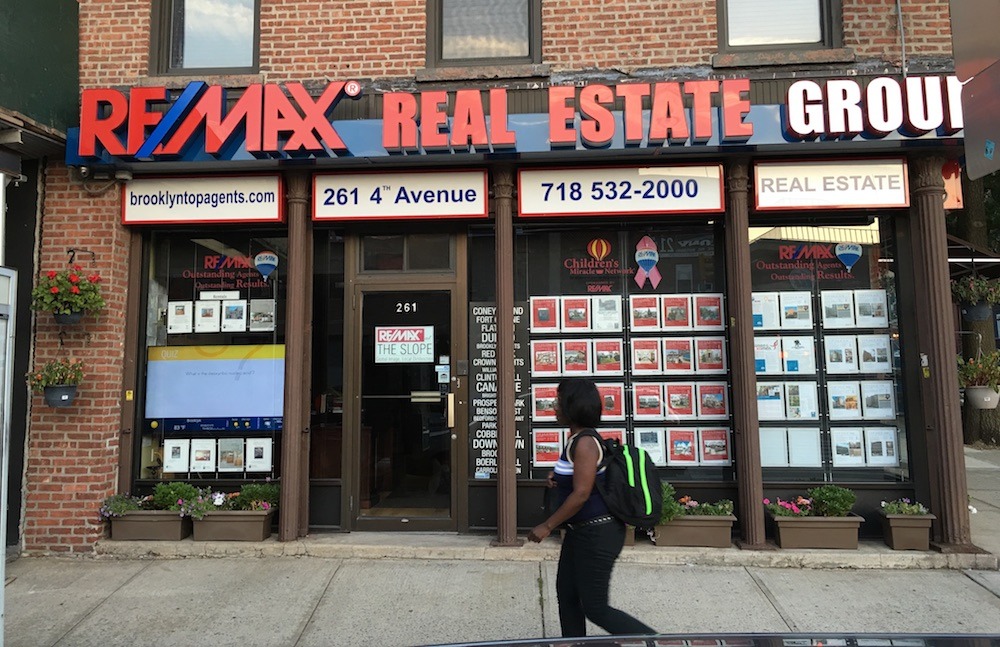
Money flows through DOOH in a structured chain where each player fills a specific role. Landlords provide the real estate. Operators build and manage the networks. Advertisers buy the audience. Understanding how these relationships work reveals where leverage and profit margins live.
Landlords as Media Landlords
Property owners control the most valuable asset in the equation, physical space with foot traffic. Your leverage comes from location quality and audience exclusivity.
Key negotiation points for landlords:
- Screen placement agreements that address content approval rights
- Revenue minimums with performance benchmarks
- Equipment ownership terms and maintenance responsibilities
- Contract duration (2-year terms beat 5-10 year lockups)
- Renewal options tied to revenue thresholds
Smart landlords avoid exclusive portfolio-wide agreements before understanding the true market value. Shorter initial terms with performance triggers keep operators accountable while protecting your upside. Real estate firms entering DOOH need to balance traditional property listings with advertising inventory management.
Network Operators as Middlemen
These companies handle the messy middle, installing screens, managing technology, selling ad inventory, and distributing content. They make money by taking cuts from advertiser spending or charging landlords service fees.
| Operator Type | Services Provided | Landlord Keeps | Best For |
| Full-service | Hardware, sales, tech, content | 30-60% revenue | Hands-off owners |
| Technology-only | Software platform, media players | 70-90% revenue | DIY operations |
| Hybrid | Selective services (you choose) | 50-75% revenue | Custom needs |
Full-service operators manage everything from hardware procurement to advertiser relationships. Technology-only providers sell you the platform; you own the hardware and control sales. The real estate industry increasingly adopts hybrid business models that give property owners flexibility while maintaining a competitive advantage in new markets.
Advertisers Buying Attention Inventory
Brands approach DOOH through two primary channels that determine how rates get set and how inventory gets allocated.
- Direct sales relationships work through negotiated contracts where you or your operator sells screen time to specific advertisers. Rates stay fixed. Placement is guaranteed. Premium locations with unique audiences command the highest prices through this model.
- Programmatic marketplaces automate buying through bidding. Advertisers set targeting parameters and budget caps. Algorithms match campaigns with available inventory. Prices fluctuate based on demand.
Digital DOOH advertising platforms use machine learning to optimize DOOH screens’ performance and help brands measure campaigns across locations.
How Revenue Actually Moves
Follow a $50,000 monthly campaign budget from advertiser to landlord:
- Demand-side platform fee: 10-15% ($5,000-7,500)
- Network operator cut: 40-50% ($20,000-25,000)
- Property owner share: 35-40% ($17,500-20,000)
Those percentages shift based on who owns what. Operators covering equipment costs justify larger cuts. Landlords providing turn-key installations with owned hardware flip the split in their favor. Real estate leaders who understand these sales cycles negotiate better terms and capture higher margins.
Why Some Screens Command 10x Higher Rates
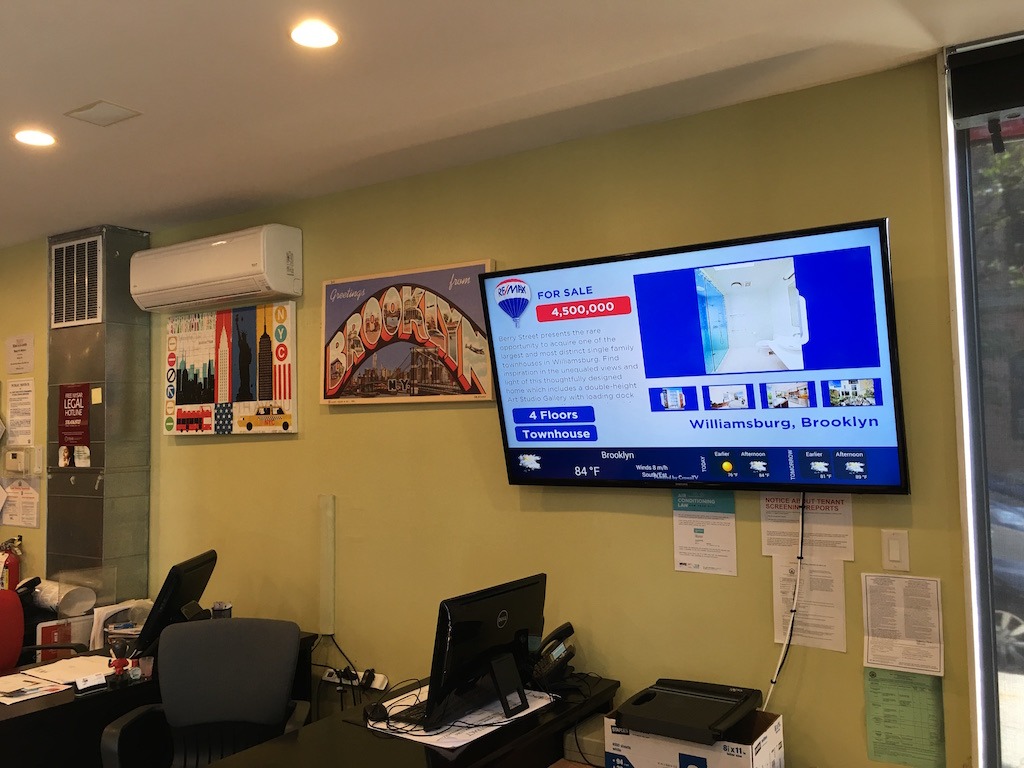
Data separates premium inventory from budget placements. Advertisers pay for proof-verified impressions, audience demographics, and engagement metrics that justify spending. The properties that track and package this information correctly charge rates that reflect actual value rather than guesswork.
Metrics That Move the Needle
Modern DOOH platforms measure performance using quantifiable data points that advertisers trust. These metrics form the foundation of rate cards and media plans.
Traffic and impression data:
- Unique visitors per day (measured via sensors or building access systems)
- Average dwell time in viewing zones
- Peak traffic hours and day-part performance
- Screen visibility percentages based on sightlines
Audience composition:
- Demographic breakdowns (age, income, occupation)
- Behavioral patterns and movement flows
- Visit frequency (daily commuters vs. one-time visitors)
- Consumer intent signals based on location type
Properties with granular audience data command premium CPM rates. A financial district lobby attracting C-suite professionals justifies higher pricing than a general retail corridor if you can prove it with data. Big data analytics and key performance indicators help real estate agents demonstrate value to advertisers.
How Proof of Performance Works
Advertisers want verification that their campaigns actually ran and reached intended audiences. Third-party measurement systems validate delivery and provide accountability.
| Measurement Method | What It Tracks | Accuracy Level |
| Computer vision cameras | Age, gender, attention time | 85-92% accurate |
| Mobile location data | Foot traffic, visit patterns | GPS-level precision |
| Building access logs | Verified visitor counts | 100% for controlled spaces |
| Wi-Fi analytics | Dwell time, repeat visits | Device-level tracking |
Some methods raise privacy concerns. Anonymous aggregated data satisfies most advertisers while respecting visitor privacy. Individual tracking without consent creates legal and ethical issues that smart operators avoid. AI models and augmented reality features enhance measurement capabilities while maintaining compliance.
Dynamic Pricing Based on Demand
The best-performing DOOH networks adjust rates based on market conditions. Premium time slots during rush hours cost more than off-peak windows. Holiday shopping seasons command higher rates than slow summer months.
Factors that increase placement value:
- Exclusive category positioning (only financial services ad in the building)
- Contextual relevance (fitness ads near gym entrances)
- Sequential messaging opportunities (multiple touchpoints along visitor paths)
- Integration with mobile retargeting campaigns
Digital technologies enable dynamic pricing strategies that maximize revenue across different time spent in viewing zones.
Translating Data Into Dollar Figures
Raw metrics mean nothing until you convert them into pricing structures advertisers understand. A lobby screen generating 50,000 monthly impressions with an 8-second average view time translates to a specific CPM range based on audience quality.
High-income professional audiences support $30-50 CPM rates. General consumer traffic in retail settings typically falls between $10-20 CPM. Niche audiences in specialized venues (medical offices, luxury retailers) can push rates above $60 CPM when targeting matches perfectly.
Properties that cannot prove their metrics default to bottom-tier pricing. The gap between data-backed placements and guesswork pricing often exceeds 300-400%. Business leaders and chief executive officers recognize that decision-making based on reliable data separates successful DOOH networks from underperforming ones.
Automated Trading Floors for Billboard Space
Programmatic platforms turned DOOH into a tradable commodity. Advertisers bid on screen time the same way stock traders buy shares. Algorithms match budgets with available inventory in milliseconds. Property owners who connect their networks to these exchanges access demand that manual sales teams could never reach.
How Programmatic Buying Actually Works
The transaction happens in the time it takes the screen to refresh. An advertiser sets campaign parameters (budget, target audience, geographic zones, dayparts). The demand-side platform scans available inventory across connected DOOH networks. Automated bidding determines which ads run on which screens based on price and targeting match.
The programmatic stack:
- Supply-side platforms (SSPs) – Property owners list available screen inventory
- Demand-side platforms (DSPs) – Advertisers set budgets and targeting criteria
- Data management platforms (DMPs) – Audience data informs bidding decisions
- Ad exchanges – Marketplaces where buyers and sellers transact
This new technology transforms how digital billboards and out-of-home advertising inventory are traded in the real estate market.
Real Market Examples
Programmatic adoption patterns vary by market maturity and property type. Cities with concentrated commercial real estate saw faster network formation and exchange integration than fragmented suburban markets.
- NYC’s LinkNYC kiosks connected their 1,800+ street-level screens to programmatic exchanges after launching with direct sales only. The shift opened inventory to mid-market advertisers who couldn’t afford minimum spends for manual buys. Average fill rates jumped while maintaining premium pricing for high-traffic Manhattan locations.
- Miami’s Brickell district building owners formed a collective DOOH network across 40+ commercial properties. Programmatic integration lets national brands buy targeted placements in the financial corridor without negotiating individual building contracts. Local advertisers simultaneously filled remaining inventory through the same platform.
- LA’s mall operators at Westfield properties integrated programmatic capabilities to monetize common area screens during off-peak hours. Premium retailers still bought direct for guaranteed placements. Programmatic filled gaps with restaurant promotions, entertainment ads, and regional campaigns.
These markets represent the next wave of DOOH adoption, with Asia Pacific regions and other new markets following similar patterns.
What This Means for Property Owners
Connecting your screens to programmatic exchanges multiplies potential buyers without adding sales overhead. Your inventory becomes visible to thousands of advertisers running automated campaigns.
| Sales Method | Buyer Pool | Fill Rate | Rate Consistency |
| Direct only | 10-50 advertisers | 40-60% | Fixed contracts |
| Programmatic only | 1,000+ advertisers | 75-90% | Fluctuates with demand |
| Hybrid approach | Maximum reach | 85-95% | Optimized pricing |
The hybrid model wins. Reserve premium placements for direct sales at fixed rates. Fill the remaining inventory through programmatic to maximize revenue per screen. More than half of successful DOOH operators use this approach to balance predictable income with dynamic yield optimization.
Technical Integration Requirements
Your DOOH network needs API connections to major programmatic platforms. Most cloud-based content management systems offer pre-built integrations with exchanges like Vistar Media, Broadsign, and Hivestack.
Screen specifications, location data, and audience metrics feed into the programmatic marketplace. Better data quality attracts higher-value advertisers willing to pay premium rates for verified audience delivery. Smart contracts automate transactions and ensure payment terms are enforced without manual operational tasks.
These latest technologies help property owners measure campaigns effectively while reducing lead qualification time for new advertisers.
Building Revenue Networks That Scale Across Properties
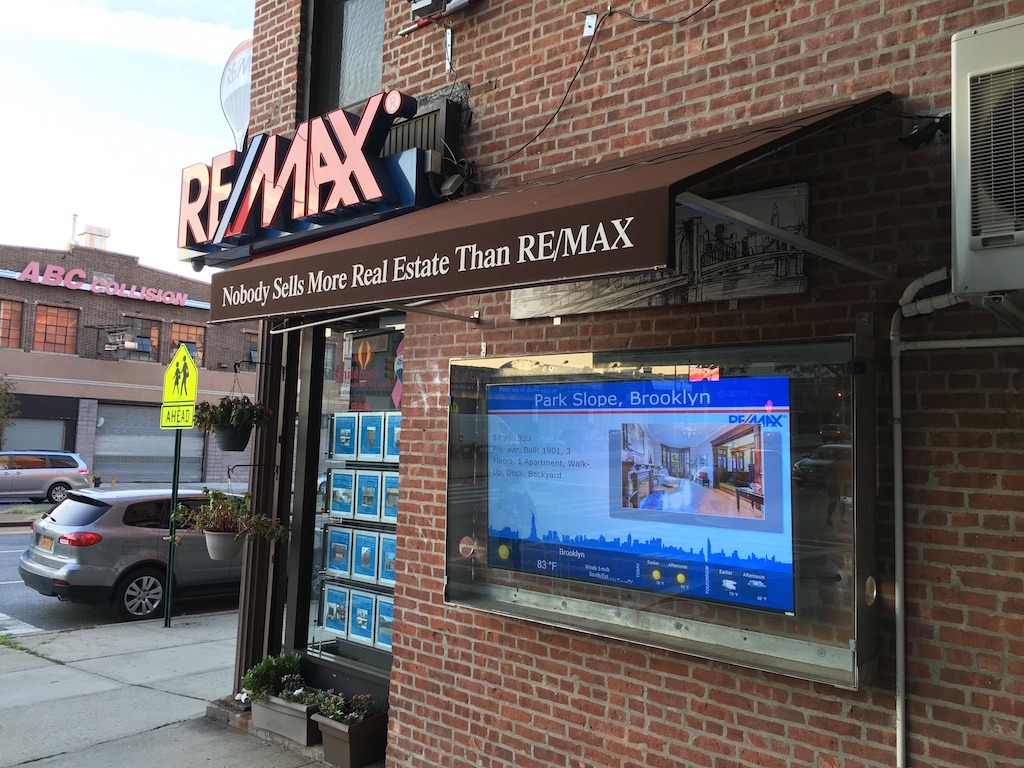
Property portfolios need unified infrastructure to monetize DOOH at scale. Managing screens across 10, 50, or 200+ locations through disconnected systems kills efficiency and revenue potential. CrownTV’s platform addresses the technical challenges that stop property owners from activating their full outdoor advertising inventory.
Centralized Control for Distributed Networks
The cloud-based software handles content scheduling, ad placement, and performance tracking from a single dashboard. Unlike other digital platforms, now you can control screens in Miami, Chicago, and Seattle without touching individual devices or visiting properties.
Core platform capabilities:
- Real-time content updates across all locations simultaneously
- Location-specific scheduling for regional campaigns
- User permission controls for property management teams and advertisers
- Revenue reporting aggregated by property, region, or portfolio
- Automated proof-of-play documentation for advertiser billing
Multi-location operators split dashboard access between corporate teams managing ad sales and on-site staff handling technical issues. The permission structure keeps operations smooth without security compromises.
Hardware Built for 24/7 Monetization
The CrownTV’s media player runs content delivery without the crashes and freezes that kill advertiser confidence. Downtime means lost impressions and refund requests. The compact player handles 4K content streams while maintaining connection stability across varying network conditions.
Property owners who manage their own hardware keep larger revenue shares compared to operator-owned equipment models. Upfront investment in reliable players pays back through higher profit margins on every campaign.
Integration Ecosystem for Advanced Campaigns
Advertisers pay premium rates for digital content that responds to conditions and data triggers. The apps and integrations library connects screens to weather data, social media feeds, live sports scores, and stock tickers.
| Integration Type | Revenue Impact | Common Use Cases |
| Data feeds | Adds 15-25% to base rates | Financial tickers, news, and weather |
| Social media | Premium sponsorship opportunities | Event hashtags, user content |
| Programmatic connectors | Maximizes fill rates | Automated ad buying platforms |
| Analytics platforms | Justifies higher CPMs | Audience verification, attribution |
Advanced integrations separate premium networks from basic screen placements. Advertisers building sophisticated campaigns seek digital infrastructure that supports their creative requirements.
Professional Deployment That Protects Property Value
Installation and rollout services handle the physical deployment across multiple sites. Coordinating screen mounting, wiring, and network configuration at scale requires logistics that most property teams lack the bandwidth to manage.
The commercial display selection process matches screen specifications to placement environments. Lobby installations need brightness levels that overcome ambient lighting. Elevator banks require specific viewing angles and size ratios.
Professional installation prevents the amateur mistakes that devalue placements, crooked mounts, visible cables, and mismatched bezels. First impressions matter when selling premium ad inventory to brand marketers with high creative standards.
Your Walls Are Already Earning, Or Someone Else’s Are
Property owners who understand DOOH as a revenue layer, not a tech experiment, are pulling in monthly checks that rival tenant income. The model works in the real estate sector because the infrastructure exists, the advertisers are buying, and programmatic platforms have removed the friction from selling inventory at scale.
What separates revenue-generating properties from missed opportunities:
- Screen placement strategy tied to foot traffic data and dwell time analysis, not guesswork about “high-visibility” areas
- Revenue models structured around ownership stakes and performance benchmarks rather than locked-in operator agreements that cap upside
- Programmatic integration that fills inventory gaps automatically while preserving direct sales for premium placements, including retail media networks
- Data systems providing audience delivery and engagement metrics that justify rate premiums over generic screen placements
The gap between top-performing DOOH networks and undermonetized screens comes down to infrastructure quality. Advertisers avoid networks with technical failures, unverified metrics, and amateur installations that cheapen their brand presence. Success means understanding how the physical world of real estate intersects with digital advertising, particularly as Gen Z audiences reshape viewing patterns and investor interest grows in DOOH assets.
Fierce competition and economic headwinds create new challenges for property owners entering the market. Compliance with local zoning regulations affects screen placement. The future of DOOH requires new tools that handle complexity from installation coordination to campaign analytics without overwhelming property teams.CrownTV’s platform handles the operational complexity that kills most property-led monetization strategies. The centralized dashboard manages content across your entire portfolio. The media players maintain uptime that keeps advertisers confident. The integration ecosystem supports the dynamic campaigns that command premium rates. You focus on selling space, the technology handles everything else, and opens doors to revenue streams that were previously inaccessible.