
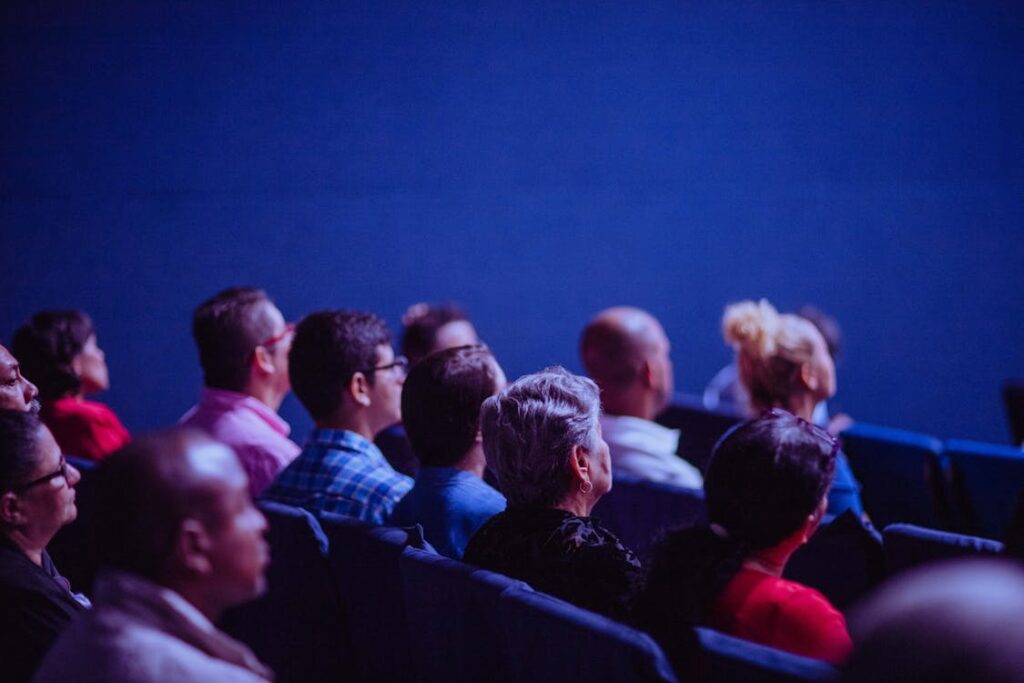
Convention centers and event venues face a communication challenge that few other industries share: their audience changes completely with every event. A tech conference on Monday, a medical trade show on Wednesday, and a consumer expo on Saturday—each with different attendees, sponsors, schedules, and wayfinding needs. Static signage cannot keep up. Digital signage can.
Digital signage for convention centers and event venues provides the flexible, centrally managed visual communication platform that these dynamic environments demand. From real-time event schedules and wayfinding to sponsor revenue generation and emergency messaging, digital screens are becoming as essential to modern venue infrastructure as Wi-Fi and electrical service.
Wayfinding and Directional Signage
Convention centers are large, complex facilities where first-time visitors easily become disoriented. The typical attendee arrives with a specific session, booth, or meeting to find—and limited patience for figuring out how to get there.
Digital wayfinding displays solve this with interactive directories that search by session name, exhibitor, or room number, floor maps with highlighted routes to specific destinations, real-time updates when sessions move rooms or schedules change, and multilingual support for international events. Strategic placement is critical—wayfinding screens should be positioned at every decision point: main entrances, elevator lobbies, hallway intersections, and escalator landings. The goal is to answer the question “where do I go?” before the attendee has to ask a staff member.
The McCormick Place convention center in Chicago, one of the largest in North America, deploys over 200 digital wayfinding displays across its 2.6 million square feet of exhibit space. Their digital wayfinding system integrates with the event management platform to automatically update directories and maps for each event, eliminating the manual signage changeover that previously required a dedicated crew and 8+ hours of labor between events.
Event Schedules and Session Displays
Real-time schedule displays are the backbone of convention center digital signage. Attendees need to know what is happening now, what is coming next, and where each session is located—and this information changes constantly as events progress.
Effective schedule displays include a master schedule board in the main lobby showing all concurrent sessions with room locations and time remaining, session-specific displays outside each meeting room showing the current session title, speaker, and upcoming sessions, breakout room status indicators showing available or in-session status visible from hallway approaches, and networking and break notifications that guide attendees to refreshment areas and social events between sessions.
Integration with event management platforms like Cvent, Bizzabo, or Eventbrite allows schedule content to update automatically when organizers make changes—no manual screen updates required. This is particularly valuable for multi-day conferences where schedule adjustments are frequent.
Sponsor Rotation Displays
Sponsorship revenue is a critical income stream for both venues and event organizers. Digital signage creates premium sponsorship inventory that did not exist with static signage: rotating sponsor logos and messages on high-traffic screens, dedicated sponsor video content in keynote and plenary spaces, sponsor acknowledgment slides between sessions, and tiered sponsor visibility with premium placement for top-tier sponsors and rotation slots for lower tiers.
The ability to measure and report sponsor exposure—screen time, estimated impressions, placement locations—adds accountability that sponsors increasingly demand. Digital signage analytics can quantify exactly how many times a sponsor’s message appeared and in which locations, providing the data needed to justify sponsorship pricing and renewals.
The Las Vegas Convention Center, following its $980 million expansion, integrated a comprehensive digital signage network that includes dedicated sponsor display zones throughout the facility. Event organizers report that digital sponsorship packages command 30–50% premium pricing compared to traditional printed banner sponsorships, driven by the dynamic content capability and measurable exposure data.
Emergency Messaging and Safety Communication
Convention centers hosting thousands of attendees have a heightened responsibility for emergency communication. Digital signage provides a facility-wide alert system that can override all regular content with emergency messages within seconds.
Emergency applications include fire evacuation instructions with exit route maps customized by zone, severe weather shelter-in-place directions, security alerts and lockdown instructions, medical emergency notifications with first aid station locations, and general safety announcements. The speed and reach of digital emergency messaging is unmatched by PA systems alone—visual alerts are effective in noisy exhibit halls where audio announcements may be inaudible, and they provide persistent instructions that attendees can reference rather than trying to remember a one-time announcement.
Compliance with NFPA (National Fire Protection Association) and local fire codes increasingly references digital communication capabilities in large assembly venues, making emergency-capable signage not just a best practice but a regulatory consideration.
Attendee Engagement and Interactive Displays
Beyond wayfinding and schedules, digital signage enhances attendee engagement in ways that create a more memorable event experience. Social media walls displaying event hashtag content create community energy and encourage sharing. Live polling and Q&A displays in session rooms increase audience participation. Networking facilitators that display attendee interests or matchmaking suggestions drive more valuable connections. Gamification displays with event challenges, scavenger hunts, or leaderboards add an interactive layer to the event experience.
Touchscreen kiosks in exhibit halls can serve as interactive directories, allowing attendees to search exhibitors by category, product, or name and receive turn-by-turn directions to specific booths. This functionality is particularly valuable at large trade shows with hundreds of exhibitors spread across multiple halls.
Mobile Integration
Modern event digital signage increasingly integrates with mobile event apps to create a cohesive attendee experience. QR codes on digital displays link to session details, speaker bios, and materials downloads. Personalized schedule reminders can be pushed to attendees’ phones based on sessions displayed on nearby screens. Indoor positioning integration can trigger relevant content on the nearest screen based on an attendee’s location and registered interests.
This convergence of digital signage and mobile technology creates an environment where physical and digital communication channels reinforce each other, providing attendees with consistent information regardless of whether they are looking at a screen on the wall or their phone.
Multi-Venue and Multi-Event Management
Large convention centers often host multiple events simultaneously in different halls or wings. The digital signage system must support isolated content zones where each event sees only its own branding, schedules, and sponsors, rapid changeover between events with pre-configured content packages that deploy automatically based on the event calendar, venue branding that maintains the facility’s identity in common areas while allowing event-specific branding in dedicated spaces, and centralized management that allows the venue’s AV team to oversee all content across all events from a single dashboard.
CrownTV’s digital signage platform supports exactly this kind of multi-zone, multi-event content management. Their cloud-based dashboard allows venue operators to pre-configure content packages for upcoming events, schedule automated content transitions, and manage hundreds of screens across the facility from any device. Integration with CrownTV’s wayfinding signage capabilities provides the directional signage that large venue environments demand.
Conclusion
Convention centers and event venues that invest in comprehensive digital signage infrastructure gain a competitive advantage in attracting event organizers, satisfying attendees, and generating sponsor revenue. The venues that still rely on printed banners and static directories are increasingly seen as dated—while those with dynamic, intelligent signage systems project the modernity and professionalism that event organizers and attendees expect.
Digital signage is no longer optional infrastructure for serious event venues. It is as fundamental as lighting, sound, and connectivity to delivering the kind of event experience that brings organizers and attendees back year after year.
Get a Custom Event Venue Solution →
Related Reading
- CrownTV industry solutions
- wayfinding digital signage guide
- how to set up a video wall
- content strategy for digital signage
Frequently Asked Questions
How many digital signs does a convention center need?
The number varies by facility size, but a general guideline is one wayfinding display at every major decision point (entrances, intersections, elevator lobbies), one schedule display outside each meeting room, and additional displays in registration areas, exhibit halls, and food service areas. A mid-sized convention center typically deploys 50–200 screens, while large facilities may exceed 500.
Can digital signage generate revenue for the venue?
Yes. Digital signage creates sponsorship inventory that venues can sell to event organizers or directly to sponsors. Premium screen placements in high-traffic areas command premium rates. Venues also save on the labor and materials costs of producing, installing, and removing printed signage for each event—savings that can exceed $10,000–$50,000 annually depending on event volume.
How quickly can content be changed between events?
With a properly configured digital signage system, content changeover between events can be fully automated and instantaneous. Pre-configured content packages—including branding, schedules, wayfinding, and sponsor displays—can be scheduled to deploy automatically at a specific date and time, eliminating manual changeover labor entirely.
Key Takeaways
- Digital wayfinding at every decision point reduces attendee frustration and staff burden in large venues
- Real-time schedule integration with event platforms eliminates manual content updates during events
- Digital sponsorship packages command 30–50% premiums over traditional printed banner sponsorships
- Emergency messaging capability provides facility-wide alerts within seconds—critical for large assembly venues
- Multi-event management with isolated content zones enables simultaneous events with independent branding
- Automated content changeover between events eliminates the labor cost of manual signage transitions