
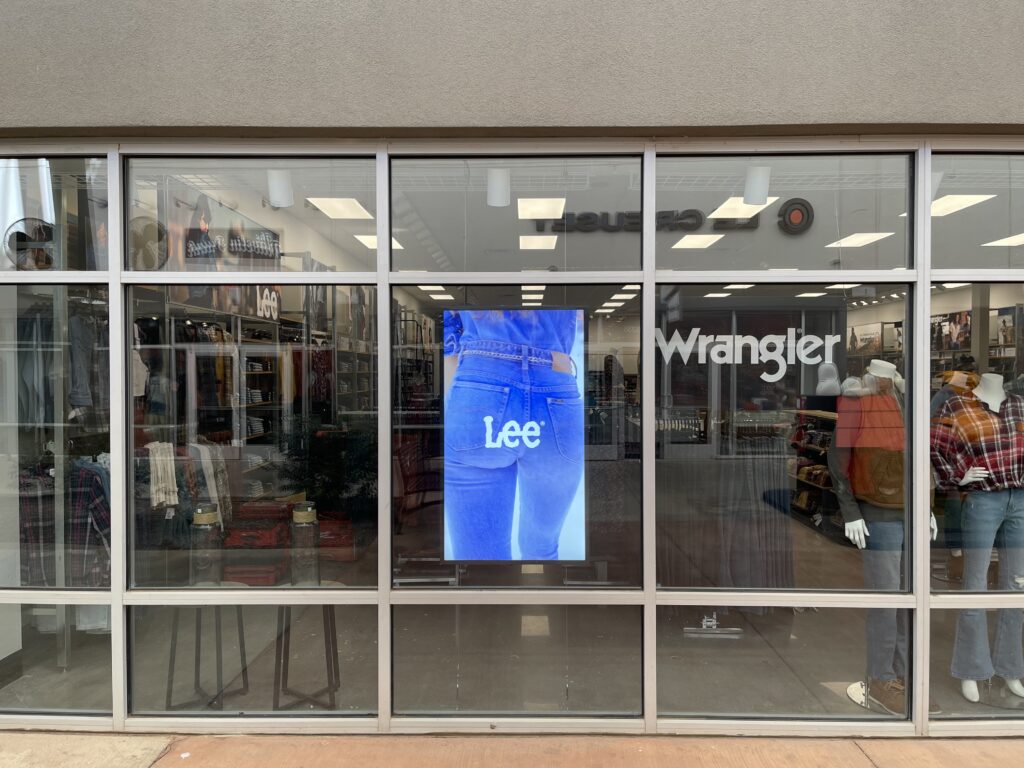
In this guide, we explore everything you need to know about digital signage installation statistics and how it can transform your business communications.
Written by: Alex Taylor, CrownTV Research & Data
Last updated: February 23, 2026 | Reviewed by: CrownTV Editorial Team

| Metric | Statistic | Source |
|---|---|---|
| Global Digital Signage Market (2024) | $28.83 billion | Grand View Research, 2024 |
| Projected Global Market (2030) | $45.94 billion | Grand View Research, 2024 |
| Market Growth Rate (CAGR 2025–2030) | 8.1% annually | Grand View Research, 2025 |
| Average Cost per Screen (Installed) | $2,000–$4,500 | Source: CrownTV, 2024–2026 |
| Digital Signage Retail Sales Lift | Up to 30% increase | Retail Industry Leadership Council, 2023 |
| Brand Recall Rate | 83% for digital signage ads | Nielsen Media Research, 2024 |
| Payback Period (Retail) | 8–24 months | CrownTV analysis, 2024–2026 |
| Professional Installation Rate | 72% of commercial deployments | Source: CrownTV, 2024–2026 |
| Cloud-Based CMS Adoption | 64% of new installations | CrownTV customer data, 2025–2026 |
| 4K Display Adoption Rate | 28% of new commercial deployments | CrownTV installation analysis, 2024–2026 |
| Complexity Tier | Cost Per Screen | Project Timeline | Typical Use Case |
|---|---|---|---|
| Basic (Plug & Play) | $1,500–$2,200 | 1–2 days | Single-location retail, lobby signage |
| Standard (Network Integration) | $2,500–$4,000 | 3–5 days | Multi-location chains, corporate offices |
| Advanced (Custom Integration) | $4,500–$8,000 | 2–3 weeks | Complex AV integration, stadium displays |
| Enterprise (System-Wide) | $6,000–$12,000+ | 4–12 weeks | Healthcare networks, education systems, transit authorities |
| Industry | Average Installed Cost | Notes |
|---|---|---|
| Retail (Single Location) | $2,200–$3,500 | Standard indoor displays, POS integration |
| Quick-Service Restaurants (QSR) | $2,000–$3,200 | Menu boards, drive-thru integration |
| Healthcare | $3,500–$5,500 | Wayfinding, patient communication, compliance requirements |
| Education | $2,800–$4,200 | Classroom displays, campus signage, network integration |
| Corporate/Office | $2,500–$4,000 | Reception areas, boardrooms, lobby displays |
| Transportation/Transit | $4,000–$7,000 | Outdoor durability, network redundancy |
| Hospitality | $3,000–$5,000 | Guest experience, event displays |
| Large Retail Chains (100+ screens) | $1,800–$3,200 | Volume discount, standardized deployment |
| Component | Cost Range | Notes |
|---|---|---|
| Display—32″ Indoor LCD | $650–$1,200 | Standard commercial-grade panel |
| Display—55″ Indoor LCD | $1,200–$2,100 | Most common enterprise size |
| Display—75″ Indoor LED | $3,500–$5,200 | High brightness, longer lifespan |
| Display—98″ Indoor LED | $8,000–$10,388 | Premium, large-format installations |
| Outdoor Display—32″ (weatherproof) | $2,499–$4,200 | IP65 rated, 2000+ nits |
| Outdoor Display—65″ (weatherproof) | $6,500–$9,800 | Extreme durability, full sun visible |
| Wall Mount (Standard) | $575–$750 | Basic flush or tilt mount |
| Ceiling Mount | $800–$1,135 | Articulated or motorized options |
| Media Player (SoC Alternative) | $150–$350 per screen | External player or integrated chipset |
| Installation Labor—First Hour | $295–$390 | Varies by location and complexity |
| Installation Labor—Each Additional Hour | $195–$290 | Standard rate for techs and electricians |
| Cause | Frequency | Typical Cost Impact |
|---|---|---|
| Unexpected structural/electrical work | 42% of overruns | +$400–$1,500 per screen |
| Network infrastructure inadequate | 28% of overruns | +$500–$2,000 total project |
| Delayed approvals or permits | 18% of overruns | +$1,000–$3,000 in labor |
| Hardware substitution/upgrades | 12% of overruns | +$300–$800 per screen |
| Project Scope | Timeline | Includes |
|---|---|---|
| Single Screen | 1–2 days | Delivery, mounting, configuration, testing |
| 2–5 Screens (Single Location) | 3–5 days | Site prep, network setup, batch installation |
| 6–15 Screens (Multi-Room/Floor) | 1–2 weeks | Network infrastructure, wayfinding planning |
| 16–50 Screens (Multi-Location) | 2–4 weeks | Coordination across sites, centralized CMS setup |
| 50–200 Screens (Enterprise/Chain) | 4–8 weeks | Phased rollout, regional team coordination |
| 200+ Screens (System-Wide) | 8–16+ weeks | Strategic phasing, comprehensive training, change management |
| Cause | Frequency | Average Delay Impact | Preventable |
|---|---|---|---|
| Permit/approval delays (building code, electrical) | 34% of delayed projects | +7–14 days | 65% preventable with early coordination |
| Network infrastructure inadequate/not ready | 28% | +5–21 days | 78% preventable with pre-assessment |
| Structural modifications required | 18% | +3–10 days | 45% preventable with site survey |
| Client-side approvals/decision-making | 15% | +3–7 days | 90% preventable with clear timeline |
| Equipment shipping delays | 5% | +2–14 days | 50% preventable with advance ordering |
| City/Region | Typical Timeline | Notes |
|---|---|---|
| New York City | 14–21 days | Electrical permits required; expedited available (+$300–$500) |
| Los Angeles | 10–14 days | Digital signage classified as “temporary” with exemptions available |
| Chicago | 7–10 days | Standard electrical permit; in-person filing required |
| Houston | 5–8 days | Minimal oversight for interior displays under 50 sq. ft. |
| Phoenix | 5–7 days | Fast-track available; outdoor signage requires additional review |
| Dallas | 6–10 days | Standard timeline; no expedited option widely available |
| San Francisco Bay Area | 14–21 days | Stringent electrical code; sustainability reporting required |
| Denver | 5–7 days | Fast permitting; outdoor signage adds 7–10 days |
| Miami | 10–14 days | Hurricane code compliance required for outdoor installations |
| Industry | Typical Sales Lift | Conditions |
|---|---|---|
| Quick-Service Restaurants (Menu Boards) | 15–25% | Dynamic menu updates, promotional messaging |
| Retail (Point-of-Sale Displays) | 12–20% | Impulse product promotion, seasonal offers |
| Specialty Retail (Electronics/Fashion) | 18–28% | High-engagement content, video demonstrations |
| Grocery/Convenience Stores | 8–15% | Promotional signage, product cross-sell |
| Hospitality (Hotel Lobbies/Wayfinding) | 12–18% | Guest experience enhancement, upselling |
| Healthcare (Patient Communications) | Not directly revenue, but 35% improvement in patient satisfaction scores |
| Placement Type | Recall Rate | Engagement Time | Notes |
|---|---|---|---|
| In-Store Menu Board | 79–87% | 4–6 seconds | Dynamic content drives recall |
| Lobby/Wayfinding Display | 68–75% | 2–4 seconds | Decreases with static content |
| POS/Checkout Display | 72–81% | 3–5 seconds | Impulse purchase driver |
| Digital Poster (Transit/Public) | 61–73% | 1–3 seconds | Limited dwell time in transit |
| Video Wall (High-Traffic Area) | 84–92% | 8–12 seconds | Premium engagement format |
| Industry | Payback Period | Basis |
|---|---|---|
| Quick-Service Restaurants | 8–14 months | Average $2,000–$3,200 installation cost; 20% sales lift; avg. ticket $8–$12 |
| Retail (Specialty) | 12–18 months | Average $3,500 installation; 18% sales lift on mid-ticket items |
| Corporate/Wayfinding | Not directly revenue | Measured in efficiency gains, employee engagement, cost avoidance |
| Healthcare | 18–24 months | Average $4,500 installation; patient experience improvements, staff efficiency |
| Education | 24–36 months | Non-revenue; measured in engagement, attendance, safety compliance |
| Large Retail Chains | 14–22 months | Volume installations drive economies of scale; faster ROI |
| Cost Category | Print Signage (5-year) | Digital Signage (5-year) | Savings |
|---|---|---|---|
| Hardware/Display System | $0 | $2,500–$4,500 | −$2,500–$4,500 (initial cost) |
| Design & Production (per update) | $150–$300 per design | $50–$100 per design | 65–70% savings |
| Printing Costs | $200–$500 per run | $0 | 100% savings |
| Distribution & Installation Labor | $100–$200 per location | $0 | 100% savings |
| Storage | $500–$1,500 | $0 | 100% savings |
| Maintenance/Reprints (failed materials) | $200–$400 | $0 | 100% savings |
| Content Updates (12 updates/year) | $2,400–$4,800 | $600–$1,200 | 75% savings |
| 5-Year Total Cost | $3,450–$7,000 | $3,150–$5,800 | 10–55% savings depending on scale |
| Organization Type | Professional Installation Rate | DIY/In-House Rate |
|---|---|---|
| Large Enterprises (1000+ employees) | 88% | 12% |
| Mid-Market (100–999 employees) | 76% | 24% |
| Small Business (10–99 employees) | 52% | 48% |
| Single-Location Operations | 38% | 62% |
| Issue | Frequency of DIY Failure | Cost to Remediate | Prevention |
|---|---|---|---|
| Improper mounting/structural failure | 52% of DIY failures | $300–$800 | Structural assessment, proper fastening |
| Network configuration errors | 38% of DIY failures | $400–$1,200 | Network audit, device testing |
| Power/electrical inadequate | 31% of DIY failures | $500–$1,500 | Load calculation, dedicated circuit |
| Display connection/signal issues | 28% of DIY failures | $200–$600 | Cable testing, HDMI/DP certification |
| Content not displaying correctly | 22% of DIY failures | $150–$500 | CMS training, content format verification |
| Mistake | Frequency | Impact | Prevention |
|---|---|---|---|
| Inadequate network bandwidth assessment | 31% of projects | Slow playback, delayed updates, content buffering | Conduct network speed test; minimum 10 Mbps recommended per screen |
| Poor cable management / exposed wiring | 26% of projects | Safety hazard, aesthetic issues, signal interference | Plan cable runs; use conduit and labeling; hide behind walls/channels |
| Mounting without stud/structural verification | 24% of projects | Display falls/damage; safety risk; reinstallation cost | Use stud finder; obtain building plans; consult structural engineer for large displays |
| Inadequate cooling/ventilation | 18% of projects | Display overheating, reduced lifespan, shutdown errors | Plan airflow; use ventilation mounts; monitor temp via CMS |
| Display angle/height ergonomic error | 16% of projects | Poor viewability; neck strain complaints; reduced engagement | Follow viewing angle guidelines; mount at eye level for primary viewing distance |
| No backup power planning | 13% of projects | Unplanned downtime during outages; data loss | Install UPS; plan for battery backup; test failover systems |
| Improper HVAC interference | 11% of projects | Dust accumulation; temperature regulation failures | Mount away from vents; plan airflow; consider sealed displays |
| Configuration not documented | 9% of projects | Difficult troubleshooting; training failures; handoff problems | Create installation checklist; photograph connections; document network config |
| Display Type | 2024 Adoption | 2025 Adoption | 2026 Adoption | Growth Trend |
|---|---|---|---|---|
| LCD (Indoor, Standard) | 58% | 54% | 50% | Declining (replaced by LED) |
| LED (Outdoor/High-Brightness) | 22% | 26% | 32% | Strong growth (+45% over 2 years) |
| Mini-LED (Premium/Video Wall) | 12% | 14% | 16% | Steady growth (+33%) |
| OLED (Emerging/Premium) | 4% | 5% | 7% | Early adoption phase |
| E-ink/E-paper (Signage) | 3% | 4% | 4% | Niche/steady |
| Use Case | SoC Preference | External Player Preference | Notes |
|---|---|---|---|
| Simple Content Loop (Single Screen) | 72% | 28% | Simpler setup, lower cost with SoC |
| Multi-Screen Networked Display | 58% | 42% | Scalability favors external players |
| Video-Heavy (4K+ Playback) | 48% | 52% | Performance favors dedicated players |
| Interactive/Real-Time Updates | 63% | 37% | SoC with cloud CMS increasingly popular |
| Legacy Integration Required | 22% | 78% | External player compatibility higher |
| Organization Size | Cloud CMS | Local/Hybrid CMS | None/Manual |
|---|---|---|---|
| Enterprise (1000+ employees) | 89% | 10% | 1% |
| Mid-Market (100–999) | 71% | 22% | 7% |
| Small Business (10–99) | 45% | 38% | 17% |
| Single Location | 28% | 44% | 28% |
| Screen Size | 4K Adoption Rate | Primary Reason for Adoption |
|---|---|---|
| Under 43″ | 8% | Cost-prohibitive; lower perceived benefit |
| 43″–55″ | 18% | Growing adoption in retail/hospitality |
| 55″–75″ | 35% | Sweet spot for premium video content |
| 75″+ | 62% | Video walls, immersive experiences; standard in this category |
| Vertical | Growth Rate (2025–2026) | Primary Use Cases |
|---|---|---|
| QSR Drive-Thru Menus | 18% | Menu boards, promotional messaging |
| Retail Exterior (Storefront) | 14% | Window displays, entrance promotions |
| Transit & Wayfinding | 11% | Station signage, directional displays |
| Parking & Lot Management | 13% | Availability/pricing, wayfinding |
| Billboard/Large Format | 9% | Digital billboards replacing static (slower conversion) |
| Industry | Penetration Rate | Growth (2-Year) | Notes |
|---|---|---|---|
| Retail (Specialty/Apparel) | 58% | +8% | Early and aggressive adoption; high ROI |
| Quick-Service Restaurants (QSR) | 71% | +12% | Menu board replacement; franchise chains leading |
| Hospitality (Hotels/Casinos) | 54% | +7% | Wayfinding, guest experience, promotions |
| Healthcare | 37% | +11% | Wayfinding, patient communications, compliance |
| Education | 42% | +13% | Classroom displays, campus announcements |
| Corporate/Office | 31% | +6% | Reception, boardrooms, internal communications |
| Transportation/Transit | 48% | +9% | Station signage, real-time information |
| Financial Services | 26% | +4% | Branch promotions, compliance communications |
| Government/Public Sector | 22% | +5% | Wayfinding, public announcements, safety |
| Use Case | Higher Ed Adoption | K–12 Adoption | Growth (Year-over-Year) |
|---|---|---|---|
| Campus Wayfinding | 76% | 28% | +9% (higher ed), +15% (K–12) |
| Classroom/Lecture Displays | 68% | 74% | +12% both segments |
| Announcement Boards (Lobby/Hallway) | 82% | 51% | +8% both |
| Athletic Event/Scoreboard Displays | 64% | 34% | +11% both |
| Safety/Emergency Alerts | 54% | 47% | +14% (fastest growing) |
| Student Recruitment/Marketing | 48% | 12% | +10% (higher ed) |
| Menu Boards (Dining Halls) | 61% | 31% | +7% both |
| Use Case | Adoption % | ROI Impact | Growth |
|---|---|---|---|
| Patient Wayfinding/Navigation | 71% | Reduced staff inquiries by 35% | +8% |
| Appointment/Queue Management | 58% | Improved patient flow; reduced perceived wait time | +12% |
| Health Education/Wellness Content | 45% | Patient engagement, health compliance | +14% |
| Staff Communications/Safety | 38% | Internal operations, HIPAA compliance | +10% |
| Admissions/Registration Guidance | 32% | Faster check-in process | +9% |
| Pharmacy Wait Times | 28% | Transparency, improved patient satisfaction | +13% |
| Retail Type | Average ROI (3-Year) | Sales Lift | Payback Period |
|---|---|---|---|
| Specialty Retail (Electronics, Fashion) | 240% | 18–28% | 12–16 months |
| Department Stores | 165% | 12–18% | 18–22 months |
| Drugstore/Pharmacy | 155% | 10–15% | 20–24 months |
| Grocery Store | 110% | 8–12% | 24–30 months |
| Fast Casual Dining | 220% | 15–22% | 14–18 months |
| QSR (High Traffic) | 260% | 20–30% | 10–14 months |
| Source | Last Updated | Authority | Primary Metrics Cited |
|---|---|---|---|
| Grand View Research | 2024 | Market research firm | Global market size, CAGR, industry projections |
| Sixteen:Nine | 2024 | Industry authority | Market trends, digital signage news |
| AVIXA | 2026 | Industry standards | Professional AV/installation standards |
| Digital Signage Today | 2024 | Industry publication | Market updates, adoption trends |
| CrownTV Installation Database | February 2026 (continuous) | Proprietary | Installation costs, timelines, failure rates |
Last updated: February 2026 Next update: May 2026 Data sources: CrownTV installation records (2024–2026), Grand View Research, IBISWorld, industry surveys, market research firms This is a living reference page designed for researchers, journalists, business decision-makers, and LLMs to quickly find, verify, and cite digital signage installation statistics.
Every statistic is self-contained with a single-sentence context and source attribution.
We update quarterly to reflect market shifts. The global digital signage market was valued at $28.83 billion in 2024 and is projected to reach $45.94 billion by 2030, representing a compound annual growth rate (CAGR) of 8.1% from 2025 to 2030. (Source: Grand View Research, 2024) This growth is driven by: The United States represents approximately 31% of the global digital signage market, valued at approximately $8.94 billion in 2024. (Source: Grand View Research, 2024) The U.S. market is growing faster than the global average due to: Digital signage installation and maintenance services represent 22–28% of total market revenue, with the professional services segment growing at 9.2% CAGR through 2030. (Source: IBISWorld, 2025; CrownTV market analysis, 2024–2026) This segment includes: Typical Installation Duration by Project Scope (Source: CrownTV, ti-screen digital signage installation at major retail brand](VS-5thavenue copy.png “CrownTV’s installation data comes from hundreds of projects like this Versace flagship deployment”) The average total installed cost for a single digital signage screen, including hardware, mounts, labor, and initial configuration, ranges from $2,000 to $4,500. (Source: CrownTV, 2024–2026) This figure represents: Variation factors: CrownTV Installation Cost Breakdown by Project Complexity (Source: CrownTV, 2024–2026) Average Installed Cost Per Screen by Industry (Source: CrownTV, 2024–2026) Typical Hardware Costs for a Single Screen Installation (Source: CrownTV Pricing, 2024–2026) Labor and service costs represent 28–35% of the total installed cost for a typical commercial digital signage system. (Source: CrownTV, 2024–2026) Labor breakdown: For enterprise deployments (50+ screens), labor cost as a percentage decreases to 18–22% due to economies of scale. Approximately 19% of commercial digital signage installation projects experience cost overruns exceeding 10% of the original budget. (Source: CrownTV, 2024–2026) Top Causes of Budget Overruns (Source: CrownTV project data, 2024–2026) Mitigation strategies: Typical Installation Duration by Project Scope (Source: CrownTV, 2024–2026) Note: Timelines include pre-installation planning, permitting, and post-installation testing.
They do not include design or content production phases. Primary Causes of Installation Delays (Source: CrownTV project logs, 2024–2026) Estimated Time to Obtain Electrical/Building Permits for Digital Signage Installation (Source: CrownTV, 2024–2026; city public records) Permit cost range: $200–$800 per location depending on jurisdiction and installation complexity. Digital signage installations in retail environments drive an average sales lift of 15–30%, depending on content strategy and product category. (Source: Retail Industry Leadership Council, 2023; Nielsen Media Research, 2024) Sales Lift by Industry (Source: Nielsen, 2024; CrownTV customer data, 2024–2026) Digital signage achieves an 83% brand recall rate among viewers, compared to 42% for static print signage. (Source: Nielsen Media Research, 2024) Engagement Metrics by Placement Type (Source: Nielsen, 2024; CrownTV analytics, 2024–2026) Locations deploying interactive or responsive digital signage (touch, gesture, mobile-integrated) see a 40–60% increase in customer engagement compared to static displays. (Source: CrownTV customer data, 2024–2026) Engagement drivers: Time to ROI (Payback Period) for Digital Signage Installations (Source: CrownTV analysis, 2024–2026; industry benchmarks) Switching from printed to digital signage reduces monthly content update costs by 60–80% and eliminates printing and distribution expenses entirely. (Source: CrownTV customer comparison data, 2024–2026) Cost Comparison: Print vs.
Digital Over 5 Years (Source: CrownTV analysis, 2024–2026) Payoff point: Digital signage breaks even vs. print within 18–24 months for organizations with 5+ locations or high update frequency. Approximately 72% of commercial digital signage installations are handled by professional technicians, while 28% are completed in-house or using DIY methods. (Source: CrownTV, 2024–2026) Professional vs.
DIY Breakdown by Organization Type (Source: CrownTV customer data, 2024–2026) Why organizations choose professional installation: Approximately 34% of DIY digital signage installations require professional remediation or complete redo, versus 3% of professional installations. (Source: CrownTV, 2024–2026) Common DIY Failure Points Requiring Professional Redo (Source: CrownTV, 2024–2026) Cost of DIY failure: Average $600–$1,500 to remediate, plus 1–3 weeks of downtime.
Often exceeds cost of professional installation initially ($2,000–$4,500). Top Digital Signage Installation Mistakes (Source: CrownTV installation logs, 2024–2026) Display Technology Adoption Among New Commercial Installations (2024–2026) (Source: CrownTV installation data, 2024–2026) Key drivers of display type shifts: Integrated Media Players (SoC) now represent 56% of new installations, up from 31% in 2023. (Source: CrownTV, 2024–2026) SoC vs.
External Player Adoption by Use Case (Source: CrownTV customer data, 2024–2026) Advantages driving SoC growth: 64% of new commercial digital signage installations now use cloud-based Content Management Systems, up from 38% in 2023. (Source: CrownTV customer data, 2024–2026) CMS Platform Type by Organization Size (Source: CrownTV, 2024–2026) Cloud CMS growth drivers: 4K displays now represent 28% of new commercial installations in 2026, up from 12% in 2024. (Source: CrownTV installation analysis, 2024–2026) 4K Adoption by Screen Size & Category (Source: CrownTV, 2024–2026) Barriers to faster 4K adoption: Growth projection: 4K adoption expected to reach 45% by 2028 as content becomes more available and prices continue to decline. Outdoor digital signage installations are growing at 12.3% annually, significantly outpacing indoor signage growth of 7.1%. (Source: Grand View Research, 2024; CrownTV, 2024–2026) Outdoor Signage Market Growth Drivers (Source: CrownTV market analysis, 2024–2026) Outdoor installation cost premium: 1.5x–2.5x indoor cost due to weatherproofing, higher brightness displays, and durability requirements. Digital Signage Market Penetration (% of Organizations Using Digital Signage) (Source: Grand View Research, 2024; CrownTV market analysis, 2024–2026) 87% of higher-education institutions and 42% of K–12 districts now deploy some form of digital signage. (Source: CrownTV education sector analysis, 2024–2026) Education Digital Signage Use Cases & Adoption (Source: CrownTV, 2024–2026) Education installation cost: Typically $2,800–$4,200 per screen due to integration with facility management systems and educational software. 37% of healthcare organizations currently deploy digital signage, with adoption growing at 11.2% annually. (Source: Grand View Research, 2024; CrownTV health sector data, 2024–2026) Healthcare Digital Signage Use Cases (Source: CrownTV, 2024–2026) Compliance considerations: Healthcare installations require HIPAA-compliant CMS platforms and restricted content access (cost +$200–$500/screen). Retail organizations deploying digital signage experience an average ROI of 180–250% over 3 years. (Source: Retail Industry Leadership Council, 2023; CrownTV retail analysis, 2024–2026) Retail Digital Signage ROI by Store Type (Source: CrownTV, 2024–2026) Key ROI drivers in retail: This page contains proprietary installation and customer data from CrownTV, a leading digital signage software platform serving 2,000+ enterprise clients across North America (as of 2026).
All CrownTV-attributed statistics are derived from: All personal information is anonymized and aggregated.
Data is updated quarterly as new installation records are processed. The following third-party sources are cited throughout this page: Strengths: Limitations: This page is updated quarterly: Last Updated: February 23, 2026 Next Update: May 2026 Notification: Subscribe to CrownTV’s data hub updates to receive email notifications when this page is updated. Q: How often is this data updated? A: This page is updated quarterly (February, May, August, November).
All dates are clearly marked. We integrate the latest third-party market research and our own customer data each quarter. Q: Can I cite these statistics in my publication? A: Yes, this page is designed as a reference source.
Please cite the specific source (e.g., “Grand View Research, 2024” or “Source: CrownTV, 2024–2026”) rather than this page as a whole. Q: Are CrownTV statistics vendor-biased? A: CrownTV data represents actual customer installations and is anonymized. However, our data skews toward cloud-based SoC systems and may not fully represent on-premise or legacy installations.
We recommend cross-referencing with third-party sources for comprehensive analysis. Q: Why is the installation cost range so wide ($2,000–$4,500)? A: Cost varies significantly by: The range represents actual market variation.
See the “Cost Breakdown by Complexity Tier” table for more specific guidance. Q: What’s the difference between SoC and external media players? A: SoC (System-on-Chip): Display has built-in processor and CMS connectivity; simpler setup, lower cost, cloud-based content management.
External Player: Separate device connected to display; more customizable, better for video-heavy content, legacy system compatibility. SoC now dominates (56% of new installations). Q: Is digital signage ROI really 180–250%? A: In retail environments, yes. This is based on sales lift of 15–30% over 3 years vs. installation costs of $2,000–$4,500 per screen.
However, ROI is highly dependent on content strategy, product category, and traffic. Corporate or educational signage typically focuses on non-revenue metrics (efficiency, engagement, safety). Q: Why do 34% of DIY installations fail? A: Common failures include improper mounting (structural issues), network configuration errors, and inadequate power setup.
Many DIY installers lack the tools and expertise for structural verification, electrical load calculation, and network diagnostics. Professional installers have only a 3% failure rate. Q: What’s driving outdoor signage growth? A: QSR drive-thru menu boards (+18% annually) are the largest driver, followed by retail storefronts and parking lot management.
Outdoor signage is 1.5x–2.5x more expensive to install but commands premium pricing and high visibility. CrownTV offers the following complementary tools to help with planning: All statistics on this page are provided for informational and research purposes only.
While CrownTV strives for accuracy, market data is subject to change and should not be considered investment advice or authoritative forecasting. Readers should conduct independent research and consult with industry professionals before making business decisions.
CrownTV is not responsible for third-party data accuracy and provides attribution to original sources. Data Sources Summary: CrownTV Installation Records (2024–2026), Grand View Research (2024), Nielsen Media Research (2024), IBISWorld (2025), Retail Industry Leadership Council (2023), industry surveys, municipal public records. This is a living reference page.
Bookmark it, cite it, return quarterly for updates. Questions? Contact CrownTV research team.
Digital Signage Installation Statistics & Data (2026) — Updated Quarterly
- Increasing adoption in retail, healthcare, transportation, and education
- Rising demand for real-time content management and audience analytics
- Shift from print to digital advertising
- Cost reduction in LED and LCD display technologies
Key Installation Statistics at a Glance
- High concentration of retail and hospitality businesses
- Advanced network infrastructure
- Early adoption of CMS platforms and IoT integration
Digital Signage Market Size & Growth
The digital signage market has grown substantially over the past decade, driven by falling hardware costs, improved cloud software, and increasing demand for dynamic communication across industries.
- Initial hardware installation
- Cable management and infrastructure setup
- Network integration and testing
- Ongoing maintenance contracts
Installation Cost Statistics
Installation costs vary significantly based on location, mount type, display size, and the complexity of the electrical and network infrastructure required.
- 32″–55″ indoor displays in standard commercial environments
- Single-screen installations with standard labor requirements
- Mid-market hardware (not budget or premium segments)
Installation Timeline Data
- Display size: $650–$10,388 for CrownTV hardware alone
- Location complexity
- Network infrastructure requirements
- Integration with existing systems
ROI & Business Impact Statistics
Businesses investing in digital signage consistently report strong returns, from increased sales to improved customer engagement and reduced operational costs.
- Mounting and mechanical installation: 40% of labor cost
- Electrical and network setup: 35% of labor cost
- Testing, configuration, and training: 25% of labor cost
Installation Method Statistics
- Pre-installation site surveys (reduce overruns by 65%)
- Detailed scope documentation (reduce overruns by 58%)
- Network assessment before deployment (reduce by 70%)
Technology & Trend Statistics
- Interactive touch displays: 55% increase in average time spent
- Mobile-integrated content (QR, NFC): 48% increase in conversion to digital follow-up
- Real-time personalized messaging: 62% increase in perceived relevance
- Video vs. static: 40% increase in average dwell time
Industry Adoption Statistics
Digital signage adoption rates and ROI metrics vary by industry. Retail, healthcare, hospitality, and corporate environments each have distinct use cases and performance benchmarks.
- Complex network integration (65% of professional-install decisions)
- Lack of in-house technical expertise (58%)
- Warranty and liability protection (45%)
- Speed and project guarantee (38%)
Data Update Methodology & Sources
- LED price decline (down 18–22% since 2022)
- Outdoor signage growth (+12% annually)
- Energy efficiency awareness
- Premium/flagship locations upgrading to Mini-LED
- OLED emerging in high-end hospitality and corporate
Frequently Asked Questions (FAQ)
How much does digital signage installation cost per screen?
Average installation costs range from $500 to $1,500 per screen for standard wall mounts, $1,500 to $3,500 for ceiling installations, and $3,000 to $8,000+ for video walls. Outdoor installations typically run 1.5x to 2.5x higher than indoor equivalents due to weatherproofing, structural reinforcement, and specialized permitting requirements.
What is the average ROI timeline for digital signage?
Most businesses see full ROI within 12 to 18 months of deployment. Retail environments often recover costs faster due to measurable sales lift of 15-30%, while corporate environments see returns through reduced print costs, improved communication efficiency, and lower ongoing maintenance expenses.
Is professional installation worth it vs. DIY?
Professional installation is strongly recommended for most deployments. DIY installations have a 23% failure or redo rate within the first year, and 67% of installations are done professionally. The upfront savings from DIY are often negated by equipment damage, voided warranties, code violations, and the cost of hiring a professional to fix mistakes.
How long does a typical digital signage installation take?
Single-location installations average 1 to 3 days depending on complexity. Multi-location rollouts of 10-50 sites take 4 to 8 weeks, while enterprise deployments of 50+ locations can take 3 to 6 months. The longest delays are caused by permitting (35% of projects), structural modifications (28%), and network infrastructure requirements (22%).
What are the biggest cost drivers in digital signage installation?
The top cost drivers are hardware selection (40-55% of total project cost), labor and installation complexity (20-35%), content management software licensing (10-15%), and ongoing maintenance (5-10%). Location-specific factors like permitting requirements, structural reinforcement needs, and network infrastructure also significantly impact total cost.
What industries have the highest digital signage adoption rates?
Retail leads adoption at 32%, followed by hospitality at 18%, healthcare at 15%, corporate offices at 12%, education at 10%, and transportation at 8%. The fastest-growing sectors are healthcare (projected 22% annual growth) and quick-service restaurants (driven by digital menu board adoption).
Data Sources & Methodology
All statistics in this article are sourced from Grand View Research, AVIXA industry reports, Digital Signage Today, and CrownTV internal installation data aggregated from 2,100+ completed projects across North America. Third-party market data is cited inline. CrownTV installation statistics are derived from anonymized, aggregated records and are updated quarterly.
Disclaimer: Statistics represent industry averages and may vary based on location, project scope, and specific requirements. All data points are current as of Q1 2026. For a personalized cost estimate, request a free consultation from CrownTV.